
You hit snooze for the third time, the persistent alarm a jarring reminder that another day has begun, yet your body insists it hasn't quite caught up. The heavy eyelids, the lingering brain fog – it’s a familiar morning ritual for many. Another expensive coffee promises a temporary jolt, attempting to jumpstart a day that already feels like an uphill battle. By 3 PM, the initial caffeine surge has long faded, leaving you sluggish, irritable, and prone to decisions you might later question. We often tell ourselves this is simply "adulting," a necessary trade-off for a busy life, believing we're "managing fine" with quick fixes and weekend catch-up sessions. But what if this seemingly cheap sleep is accumulating a silent, pervasive cost, secretly draining not just your energy, but also your bank account and future health?
- 1、The Hidden Cost of "Catching Up": Unmasking Sleep Debt's True Price
- 2、Your Brain on Empty: Cognitive Decline and Productivity Loss
- 3、The Health Financial Drain: More Than Just Coffee
- 4、Beyond the Bank Account: The Chronic Fatigue and Burnout Cycle
- 5、Reclaiming Your Human Capital: Investing in Quality Sleep
- 6、FAQs
The Hidden Cost of "Catching Up": Unmasking Sleep Debt's True Price
The notion of "sleep debt" is more than just a catchy phrase; it's a physiological reality. Each hour of sleep you miss accumulates, much like financial debt, creating an imbalance that your body tries desperately to repay. This isn't just about feeling tired; it's about compromised physiological functions. While a weekend lie-in might offer a brief reprieve, it rarely fully compensates for chronic sleep deprivation. Think of it as attempting to clear a substantial credit card balance with only minimum payments – the interest keeps compounding.
Understanding Sleep Debt's Compound Interest
When we consistently cut short our sleep, we incur a sleep debt that affects nearly every system in the body. Beyond the immediate grogginess, this debt has a significant financial drain. The RAND Corporation estimated that sleep deprivation costs the U.S. economy alone up to $411 billion a year in lost productivity. This staggering economic burden underscores how individual sleep choices aggregate into national costs. For individuals, this translates to tangible monetary losses through reduced efficiency, increased errors, and potentially higher healthcare expenditures down the line, an invisible capital expenditure that far outweighs the perceived time saved.
Your Brain on Empty: Cognitive Decline and Productivity Loss
Quality sleep is not merely a period of rest; it's an active process crucial for cognitive restoration. During sleep, your brain consolidates memories, processes information, and clears metabolic waste products. When this process is interrupted, your cognitive abilities suffer profoundly. Decision-making becomes impaired, creativity wanes, and your ability to focus takes a hit, leading directly to productivity loss.
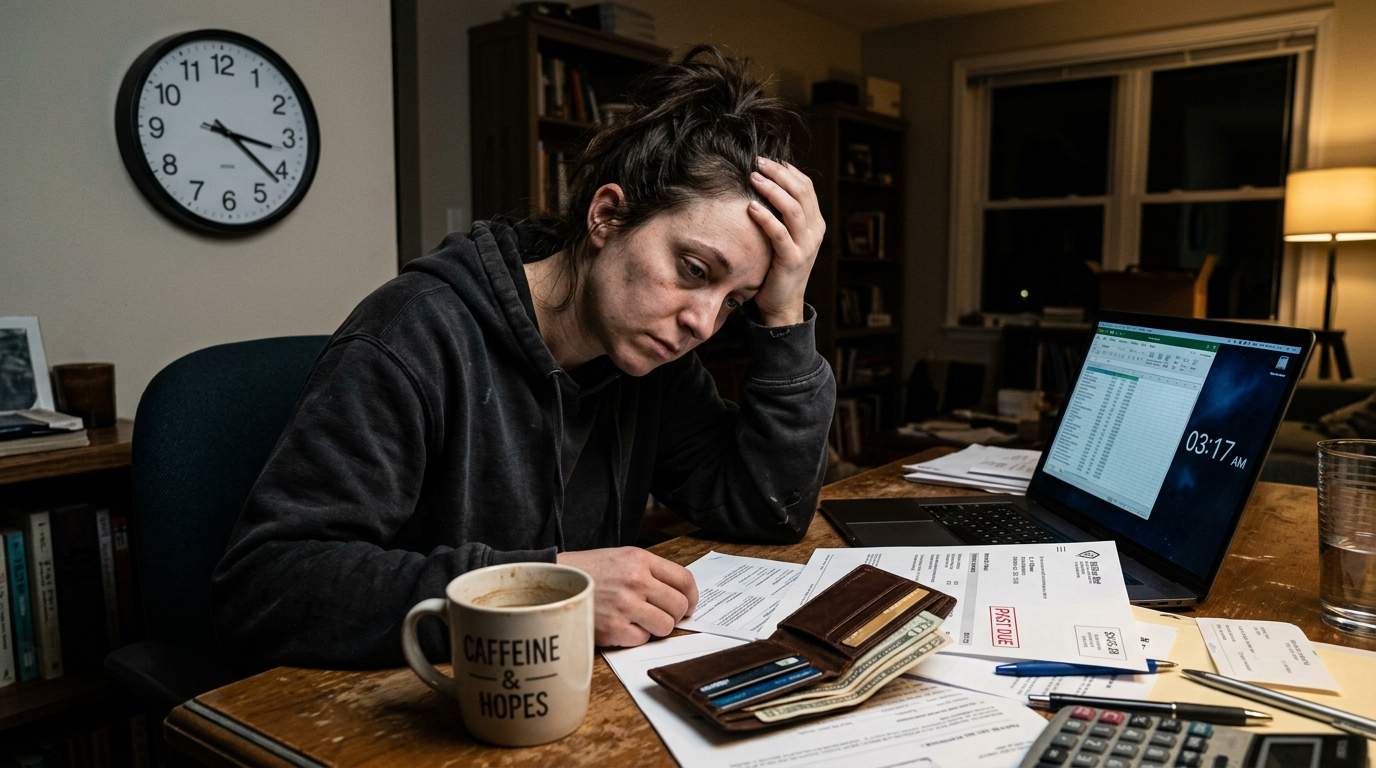
The Cost of Suboptimal Decisions
Imagine navigating critical work projects or personal financial planning with a mind functioning at 70% capacity. Errors in judgment, decreased attention to detail, and slower reaction times become more frequent. This isn't just an inconvenience; it can have direct monetary consequences. A simple mistake at work due to brain fog could lead to costly rework, missed opportunities, or even significant safety incidents. The National Highway Traffic Safety Administration (NHTSA) estimated that drowsy driving contributed to 91,000 crashes in 2017, illustrating the real-world, high-stakes consequences of impaired cognition stemming from chronic fatigue. The opportunity cost of consistently operating below your mental peak is enormous, affecting career progression and personal investment acumen.
The Health Financial Drain: More Than Just Coffee
Beyond the immediate productivity loss, chronic poor sleep is a significant predictor of long-term health issues, each carrying its own financial drain. The body's systems struggle to regulate when sleep is consistently insufficient. This leads to increased inflammation, impaired immune function, and hormonal imbalances, laying the groundwork for more serious conditions.
Escalating Healthcare Expenditures
Long-term sleep deprivation is linked to an elevated risk of developing serious chronic diseases such as type 2 diabetes, cardiovascular disease, obesity, and even certain cancers. Each of these conditions comes with substantial medical bills, medication costs, and potential loss of income due to illness. A study published in Sleep found that individuals sleeping less than 7 hours per night consistently had higher healthcare costs. The money saved by "powering through" your days often gets funneled into future healthcare expenditures, a poor return on investment for your health.
The True Price of Quick Fixes
That daily extra-large coffee, the energy drinks, the sugary snacks to combat the afternoon slump – these are not free. They represent a recurring capital expenditure in your daily budget, masking a deeper problem rather than solving it. While seemingly small, these daily expenses accumulate, and their true cost is compounded by the fact that they don't address the root cause, potentially exacerbating the sleep debt cycle and delaying genuine resolution.
Beyond the Bank Account: The Chronic Fatigue and Burnout Cycle
The impact of poor sleep extends far beyond financial metrics, deeply affecting your emotional and psychological well-being. Chronic fatigue is not just about feeling tired; it's a persistent, debilitating state that permeates every aspect of life. It makes even simple tasks feel monumental and diminishes your capacity for joy and engagement.
This constant state of exhaustion contributes significantly to increased stress levels, creating a vicious cycle. Poor sleep elevates cortisol, the stress hormone, while stress, in turn, disrupts sleep. This stress management challenge can quickly lead to burnout prevention failures, manifesting as emotional exhaustion, cynicism, and reduced personal accomplishment. The toll on relationships, mental health, and overall quality of life represents an invaluable loss, diminishing your human capital in ways that money cannot quantify.
Reclaiming Your Human Capital: Investing in Quality Sleep
Recognizing the pervasive costs of inadequate sleep is the first step towards reclaiming your well-being and securing your financial future. Viewing sleep not as a luxury or a negotiable commodity, but as a critical investment in your human capital, shifts the perspective entirely. Prioritizing consistent, quality sleep is perhaps the most fundamental preventive medicine strategy available.
Practical Steps for Sleep Hygiene Improvement
Investing in your sleep doesn't necessarily mean a large monetary outlay, but rather a commitment to establishing healthy sleep hygiene practices.
- Maintain a Consistent Schedule: Go to bed and wake up at roughly the same time every day, even on weekends. This helps regulate your body's natural sleep-wake cycle.
- Optimize Your Sleep Environment: Ensure your bedroom is dark, quiet, and cool. Consider investing in comfortable bedding or
blackout curtains. - Wind Down Before Bed: Establish a relaxing routine, such as reading, taking a warm bath, or listening to calming music. Avoid screens (phones, tablets, TVs) at least an hour before sleep.
- Mind Your Diet and Exercise: Be mindful of caffeine and alcohol intake, especially in the evening. Regular physical activity can improve sleep quality, but avoid intense workouts close to bedtime.
- Track Your Progress: A
sleep tracking devicecan offer insights into your sleep patterns, helping you identify areas for improvement.
By consciously investing in these practices, you're not just buying a few extra hours of rest; you're securing a higher return on investment in your health, productivity, and overall life satisfaction. It's time to stop paying the invisible bill of poor sleep and start investing in the invaluable asset that is your well-rested self.
FAQs
Q: How do I know if I have significant Sleep Debt?
A: Common indicators include consistently needing an alarm to wake up, hitting the snooze button multiple times, feeling sluggish and irritable throughout the day, relying heavily on caffeine to function, and falling asleep quickly whenever given the opportunity (e.g., watching TV, riding public transport). If you consistently experience these symptoms despite believing you get "enough" sleep, it's likely your body is signaling a sleep debt.
Q: What are immediate steps to improve my Sleep Hygiene?
A: Start by setting a fixed bedtime and wake-up time, even on weekends. Create a relaxing pre-sleep routine, avoiding screens and stimulating activities for at least an hour before bed. Ensure your bedroom is dark, quiet, and cool. Gradually incorporating these sleep hygiene practices can begin to make a difference within a few weeks.
Q: Is napping an effective way to address Chronic Fatigue?
A: While short power naps (20-30 minutes) can provide a temporary boost in alertness and performance, they are not a substitute for consistent nighttime sleep and cannot fully erase chronic fatigue or accumulated sleep debt. Longer naps, especially late in the day, can sometimes disrupt your nighttime sleep, potentially worsening the problem. Focus on improving overall sleep hygiene rather than relying solely on naps.