
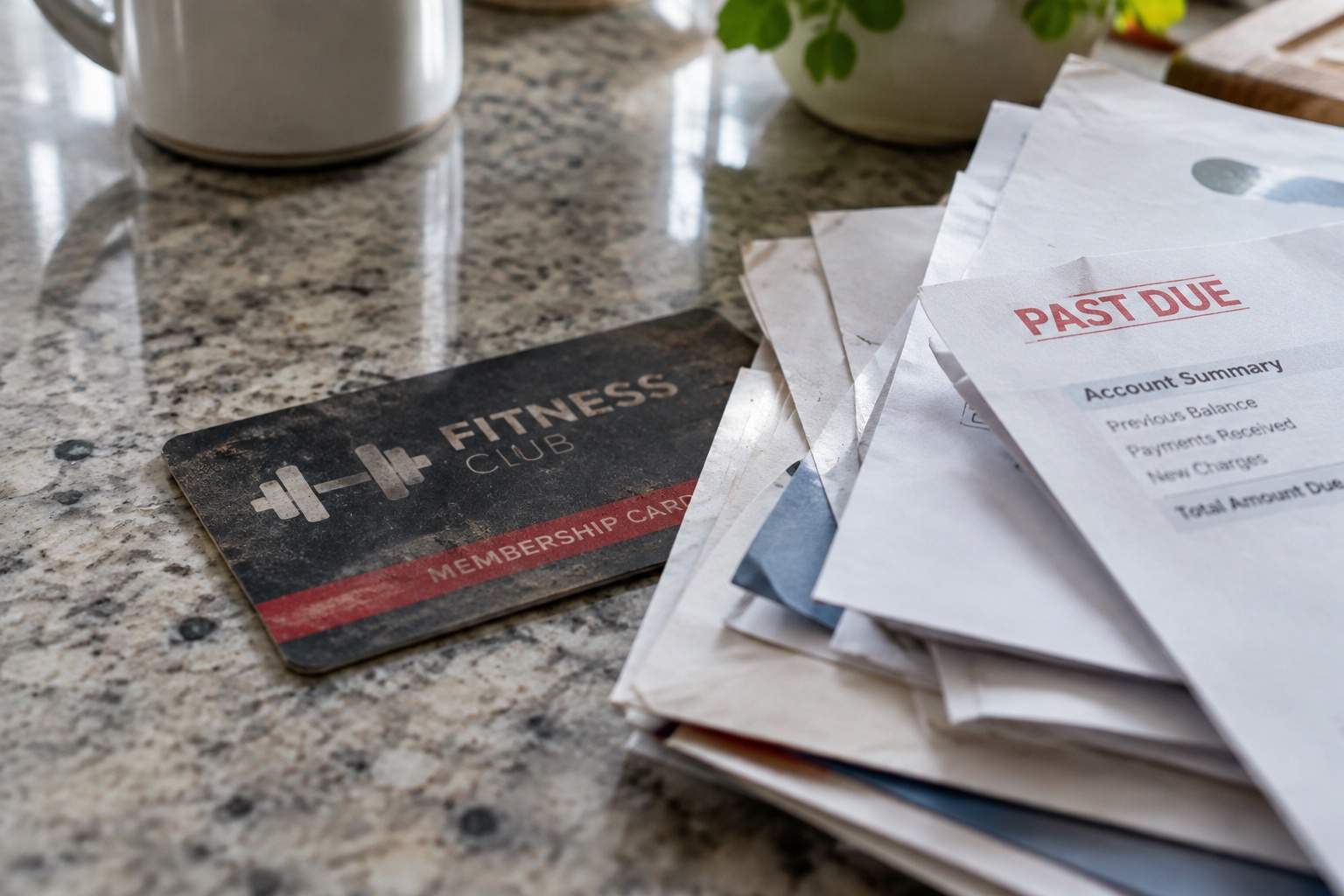
The monthly direct debit for the gym you barely visit? For many, it's more than just a fleeting expense. It's a persistent, low-frequency hum of unfulfilled aspirations, a subtle erosion of financial peace, and a silent drain on self-esteem that goes far beyond the balance sheet. We are consistently encouraged to "invest in our health," and rightly so. Yet, what if our well-intentioned fitness expenditures, particularly that expensive gym membership, are inadvertently sabotaging not only our consistency but also our holistic financial well-being? Is the true obstacle to achieving our fitness goals a mere lack of willpower, or a more insidious disconnect in how we allocate our "health budget" that subtly drains our motivation and resources? This article will explore how actively recalibrating your fitness spending could be the surprising key to unlocking lasting results and genuine financial freedom.
E.g. :Autumn Hair Loss Is Not a Crisis. It’s a Portfolio Rebalancing.
- 1、The Illusion of Investment: Rethinking Gym Membership Cost
- 2、Beyond the Bill: The True Financial Cost of Inaction
- 3、The Psychological Toll: Draining Your Fitness Motivation
- 4、Smart Choices: Redefining Fitness Financial Planning
- 5、Cultivating Financial Health Fitness: A Sustainable Path
- 6、FAQs
The Illusion of Investment: Rethinking Gym Membership Cost
The conventional wisdom suggests that a gym membership is a sound investment in one's health. For those who utilize it consistently, it undoubtedly is. However, for a significant portion of subscribers, the reality diverges sharply from this ideal. Research from various consumer studies consistently indicates that a substantial percentage—often cited between 60-85%—of gym memberships go unused or are utilized infrequently after an initial surge of enthusiasm. The average gym membership cost typically ranges from $30 to $60 per month, translating to an annual outlay of $360 to $720, sometimes considerably more for premium facilities. If these funds are allocated to a service that provides little to no tangible health benefit, the perceived "investment" quickly transforms into a non-performing asset, or worse, a recurring liability on one's personal balance sheet. This discrepancy between intent and action creates a cognitive dissonance that impacts both our financial and psychological states.
Beyond the Bill: The True Financial Cost of Inaction
The monetary drain of an unused gym membership extends far beyond the direct debit amount. This is where the principle of opportunity cost becomes critically relevant in fitness financial planning. Every dollar spent on an unused service is a dollar that could have been allocated elsewhere—perhaps towards a high-yield savings account, a debt repayment plan, or even a more effective, personalized fitness solution. This concept highlights the value of what you forego when making a choice. For instance, the annual cost of an unused membership could fund several months of healthy groceries, a quality pair of running shoes, or even a few sessions with a certified trainer to kickstart a home workout routine.
Understanding Opportunity Cost in Fitness
When financial resources are committed to a gym membership that sits dormant, the return on investment (ROI) is effectively zero, or even negative when factoring in the psychological burden. From a financial literacy perspective, this represents suboptimal budget allocation. Discretionary spending on an underutilized service reduces available capital for other investments, whether financial or health-related. Over time, these small, consistent drains can accumulate, subtly impeding progress toward broader financial goals, impacting overall financial well-being.
The Psychological Toll: Draining Your Fitness Motivation
The impact isn't purely economic. The constant reminder of an unused gym membership can foster a pervasive sense of guilt, frustration, and a diminished sense of self-efficacy. This internal friction, often termed cognitive dissonance, arises when our actions (or inactions) conflict with our stated goals and values. The presence of a monthly bill for a service not used can paradoxically drain fitness motivation rather than inspire it. Each direct debit becomes a tangible symbol of perceived failure, making it harder to initiate new, more sustainable health habits. This negative feedback loop can lead to a sense of resignation, where the very tool intended to promote health instead contributes to emotional and motivational fatigue.
Smart Choices: Redefining Fitness Financial Planning
Effective fitness financial planning isn't about spending more; it's about spending smarter and aligning resources with actual behavioral patterns and preferences. This paradigm shift involves understanding that genuine health investment yields returns in physical vitality, mental clarity, and sustained well-being, rather than merely subscribing to a service. It necessitates a critical assessment of what truly facilitates consistent action and positive outcomes for you.
Workout on a Budget: Effective Alternatives
There are myriad ways to achieve robust financial health fitness without a hefty gym membership. Consider outdoor activities like running, cycling, or hiking, which often come with no direct recurring cost. Bodyweight exercises, yoga, and online fitness programs can be executed at home with minimal equipment. Investing in a few pieces of versatile equipment, such as high-quality resistance bands, a reusable water bottle, or comfortable athletic shoes, represents a one-time capital expenditure with a potentially high ROI, especially when compared to recurring fees for an unused facility. These alternatives offer flexibility, eliminate commute time, and foster greater autonomy, which can be critical for adherence.
Cultivating Financial Health Fitness: A Sustainable Path
Achieving financial health fitness requires a conscious pivot from aspirational spending to purposeful expenditure. It's about empowering yourself through mindful choices that serve both your physical vitality and your fiscal prudence. The objective is not to eliminate fitness spending, but to optimize it for maximum personal benefit and sustained engagement.
Strategies to Save Money on Fitness
Begin by auditing your current fitness subscriptions. Are you actively using them? If not, consider canceling and reallocating those funds. Explore community centers, public parks, or free online resources. If a gym environment is truly motivating, seek out more affordable, no-frills options or consider pay-as-you-go models. Engaging in group fitness classes outside of traditional gyms can offer social support and accountability without a long-term contract. Ultimately, the goal is to cultivate habits that are both physically beneficial and financially sustainable, reinforcing a positive cycle of health and wealth.
FAQs
Q: How can I overcome the guilt of an unused gym membership?
A: Acknowledge the feeling, but reframe it as a learning experience. Instead of dwelling on past inaction, focus on the opportunity to make better, more informed financial and fitness decisions moving forward. Cancel the unused membership to stop the bleeding, and then channel that energy and freed-up funds into a new, more suitable fitness plan.
Q: What's a good first step to start saving money on fitness?
A: The most effective first step is to conduct an honest audit of your current fitness spending. Identify all recurring costs (memberships, apps, classes). If a service isn't actively contributing to your health goals, consider canceling it. Then, explore free or low-cost alternatives that align with your lifestyle and preferences, such as walking, bodyweight exercises, or community fitness programs.
Q: Is it always better to exercise at home to save money?
A: Not necessarily. While exercising at home can be highly cost-effective, the "best" approach is highly individual. Some individuals thrive on the social aspect and specialized equipment of a gym. The key is finding a consistent activity you enjoy and can sustain. If a gym membership motivates you to exercise regularly and you utilize it, it can be a valuable investment. If it goes unused, then home or outdoor workouts might offer a better return on your limited time and resources.