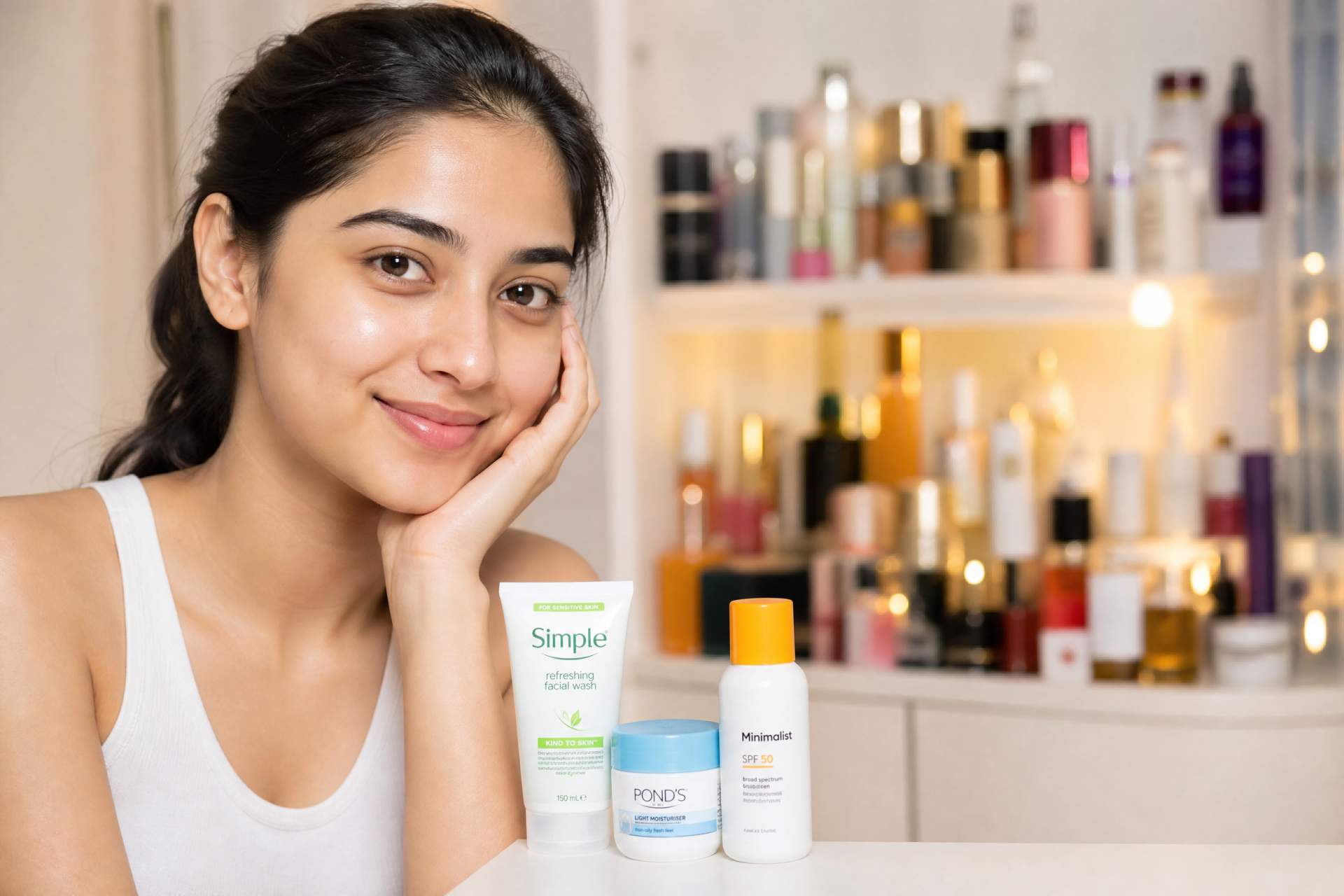
You reach for another 'miracle' cream, its sleek packaging promising redemption from persistent redness or those stubborn breakouts. The initial hope is quickly overshadowed by a familiar dread: will this expensive jar, like so many before it, soon gather dust, a testament to promises unfulfilled? This cycle of hope, expenditure, and disappointment is a narrative all too common in the pursuit of clear, healthy skin, leaving many with lighter wallets and unresolved dermatological concerns. It's a frustrating paradox where increased financial outlay doesn't translate into desired epidermal dividends, often leading to a sense of being trapped in an endless, costly product trial.
- 1、The Illusion of Premium: Dissecting Skincare Pricing and Value
- 2、The Hidden Costs: When More Skincare Means More Skin Issues
- 3、Decoding "Sensitive Skin": Is It Innate or Induced?
- 4、The Foundation First: Building an Effective Skincare Routine on a Budget
- 5、Reclaiming Your Skincare Power: Beyond the Hype and Towards Health
- 6、FAQs
The Illusion of Premium: Dissecting Skincare Pricing and Value
The allure of expensive skincare is powerful, often equating higher price tags with superior efficacy or groundbreaking science. However, a deeper look reveals that a significant portion of the cost often finances elements unrelated to skin health. Think elaborate marketing campaigns, celebrity endorsements, luxurious packaging, and high retail markups. While research and development are indeed investments, the incremental benefit derived from premium-priced active ingredients often exhibits diminishing returns past a certain threshold. According to market analysts, branding and distribution can constitute upwards of 70-80% of a product's final retail price, leaving a comparatively smaller allocation for the actual ingredient profile. This means your budget for skin health may be heavily invested in brand perception rather than biological effect. The critical question for the discerning consumer becomes: is this a sound return on investment (ROI) for my skin, or merely a financial drain into brand equity?
The Hidden Costs: When More Skincare Means More Skin Issues
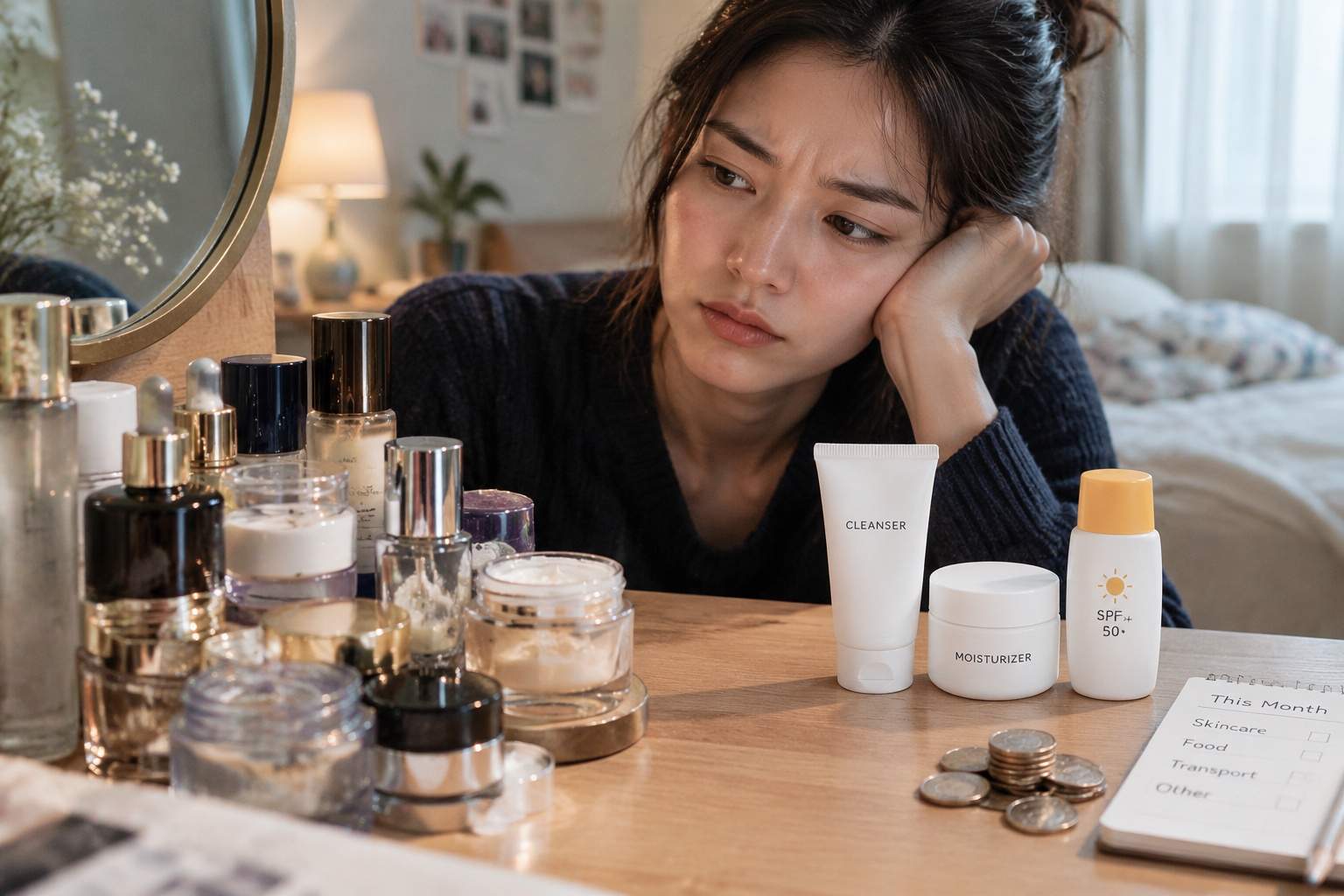
Paradoxically, a complex, multi-step skincare routine – often a hallmark of higher-priced regimens – can inadvertently become a primary driver of skin breakouts and increased sensitivity. Each additional product introduces more ingredients, increasing the likelihood of irritation, allergic reactions, or simply overwhelming the skin's natural protective mechanisms. Research in dermatological journals increasingly highlights the importance of the skin's barrier function. This delicate lipid layer acts as your body's first line of defense, maintaining hydration and warding off environmental aggressors. An excessive number of active ingredients, especially those with exfoliating or harsh properties, can disrupt this barrier, leading to compromised skin that is more prone to inflammation, dryness, and yes, even more skin breakouts.
The Barrier Breakdown: A Silent Epidemic
When the skin barrier is compromised, its ability to retain moisture and defend against external irritants is severely diminished. This can manifest as persistent redness, flakiness, increased reactivity to normally benign products, and a heightened susceptibility to acne-causing bacteria. It's a common observation in clinical practice that many cases of seemingly sensitive skin are not inherent conditions but rather an induced state resulting from product overload and an aggressive approach to skincare. This calls for a re-evaluation of one's skincare budget – could simplifying your routine actually be a more fiscally responsible and effective strategy?
Decoding "Sensitive Skin": Is It Innate or Induced?
For many, the label "sensitive skin" feels like an unchangeable characteristic, an inherent flaw requiring specialized, often more expensive, products. However, a substantial body of evidence suggests that what's perceived as inherent sensitive skin can frequently be a symptom of an overstressed skin barrier, often a consequence of an overly zealous or inappropriate skincare routine. Continuous exposure to potent active ingredients (like high concentrations of retinoids, AHAs, BHAs, and certain forms of Vitamin C, especially in combination), harsh cleansers, or even simply too many products applied in quick succession, can erode the skin's natural resilience. A systematic withdrawal or reduction of such products often reveals a skin type that is far less reactive than previously believed, suggesting that its "sensitivity" was a learned response to external stressors. Understanding this distinction can significantly impact your expenditure allocation for skincare, steering you towards simpler, more fundamental solutions.
The Foundation First: Building an Effective Skincare Routine on a Budget
The good news for your skin and your wallet is that truly effective skincare on a budget is not only possible but often superior. The core tenets of a healthy budget friendly skincare routine are deceptively simple: gentle cleansing, adequate moisturization, and consistent sun protection. These foundational steps address the most critical aspects of skin health without unnecessary complexity or exorbitant costs. Basic, well-formulated products, often found at accessible price points, contain proven ingredients such as ceramides, hyaluronic acid, niacinamide, and zinc oxide or titanium dioxide (in sunscreens). These ingredients, backed by robust scientific data, support skin barrier function, hydration, and protection without the premium price tag associated with elaborate branding or marketing hype. Prioritizing these essentials represents a strategic financial decision that yields tangible health benefits.
Simple Science, Significant Savings
Focusing on products that perform these core functions means you can avoid the allure of expensive 'cure-all' solutions that often contain redundant or even counterproductive ingredients. Think of it as developing financial literacy for your skincare routine: understanding where your money truly yields the best results. A simple, consistent routine built around these principles is not only more gentle on your skin but also a much wiser investment in your long-term skin health.
Reclaiming Your Skincare Power: Beyond the Hype and Towards Health
Ultimately, the journey to healthier skin is less about accumulating expensive products and more about informed choices and careful listening to your skin's needs. By challenging the marketing narratives that push endless product consumption and embracing a more minimalist, science-backed approach, you can liberate your skincare budget from its current sinkhole. This shift in perspective empowers you to move beyond the frustration of failed expensive skincare and skin breakouts, fostering a more sustainable and genuinely effective skincare strategy. It’s about cultivating healthy skin through judicious care, not endless commercial pursuit, promoting both epidermal well-being and sound fiscal responsibility.
FAQs
Q: Why does expensive skincare often fail to deliver on its promises for me?
A: Expensive skincare often fails due to a combination of factors, primarily that a significant portion of its cost goes into marketing and packaging rather than truly superior active ingredients. Additionally, many high-end routines advocate for a complex multi-step approach, which can overwhelm and irritate the skin barrier, leading to sensitivity and skin breakouts rather than improvement. The actual efficacy of ingredients doesn't always scale linearly with price; a well-formulated budget skincare product can contain the same effective actives as a premium one.
Q: Can a budget friendly skincare routine genuinely be as effective as an expensive one?
A: Absolutely. An effective skincare on a budget often outperforms expensive routines by focusing on the fundamental principles of skin health: gentle cleansing, consistent moisturization, and broad-spectrum sun protection. Many affordable products contain scientifically proven ingredients like ceramides, hyaluronic acid, and niacinamide, which are essential for maintaining a healthy skin barrier. By avoiding unnecessary active ingredients and product layering, a simple, budget-friendly skincare routine reduces the risk of irritation, making it highly effective for preventing skin breakouts and maintaining overall skin health.
Q: How can I tell if my sensitive skin is an inherent condition or caused by products?
A: To determine if your sensitive skin is inherent or product-induced, try a "skin reset." Simplify your skincare routine to just a gentle cleanser, a basic hydrating moisturizer, and a mineral sunscreen for a few weeks. Avoid all active ingredients (acids, retinoids, strong fragrances). If your skin's sensitivity, redness, or tendency for skin breakouts significantly improves, it's highly likely that your previous products or expensive skincare routine were contributing to your perceived sensitivity by compromising your skin barrier.