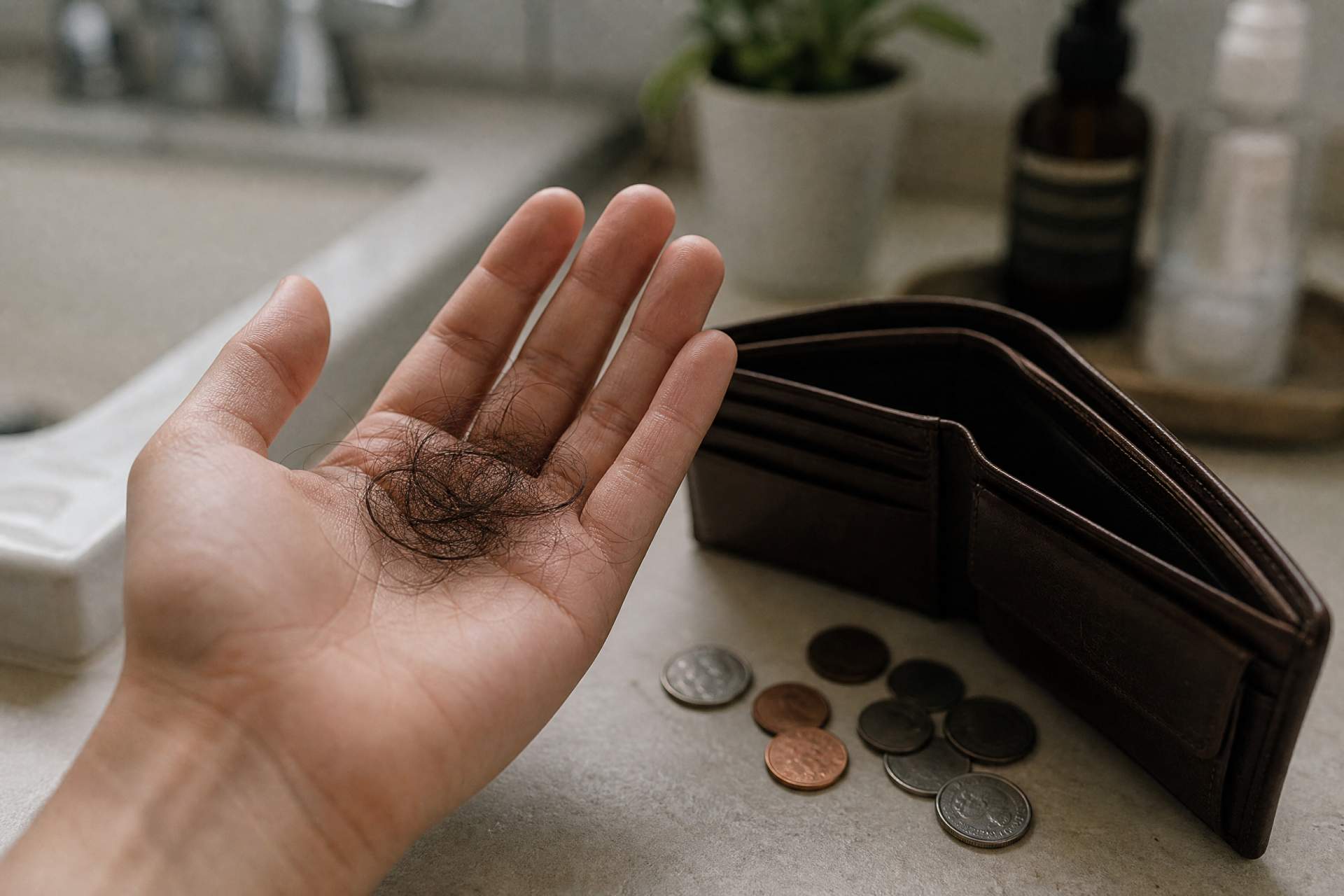
The morning ritual is often a silent negotiation with time. You stand before the bathroom mirror, the fluorescent light unforgiving, and notice a subtle shift. Perhaps the part in your hair seems a fraction wider, or the crown feels slightly more exposed than it did a year ago. It is a moment of quiet realization that the physical self is not a static asset, but a fluctuating one. Most people react to this discovery with a surge of "consumer panic," rushing to purchase the most expensive serums available. Yet, this approach often ignores a fundamental biological reality: your hair is a reflection of your internal physiological economy.
- 1、The Hidden Balance Sheet of Scalp Health for Hair Growth
- 2、Over-leveraged Stress: Why Best Hair Thinning Treatments Yield Zero Returns
- 3、Liquidity Traps: How Aggressive Cleaning Bankrupts Your Scalp’s Protective Barrier
- 4、Evaluating the Cost of Hair Transplant Against Long-Term Biological Inflation
- 5、Reclaiming Your Principal: A Strategy for Sustainable Follicular Investment
- 6、FAQs
The Hidden Balance Sheet of Scalp Health for Hair Growth
In biological terms, your body operates on a strict system of resource allocation. Think of your vital organs—the heart, lungs, and brain—as "essential infrastructure." They receive the first payout of nutrients and oxygen. Hair, unfortunately, is considered a non-essential luxury asset. When your internal "bank" is low on funds due to poor nutrition or chronic stress, the body immediately halts investment in the hair follicle to preserve the core.
Scalp health for hair growth is essentially a measure of your body’s peripheral liquidity. A healthy scalp requires robust micro-circulation to deliver the "capital" (nutrients) necessary for the hair’s anagen (growth) phase. According to a study published in the Journal of Investigative Dermatology, the density of blood vessels around the follicle directly correlates with the size of the hair bulb. If your lifestyle debt—lack of sleep, high processed sugar intake, and sedentary behavior—is high, your body "defunds" the scalp, leading to thinning and dormancy.
Over-leveraged Stress: Why Best Hair Thinning Treatments Yield Zero Returns
Many individuals invest heavily in the best hair thinning treatments, expecting immediate dividends. However, applying a topical serum to a scalp that is under-perfused is like trying to water a plant in frozen soil. The investment cannot be absorbed because the underlying infrastructure is compromised. This is often the result of "biological over-leveraging," where the body is forced to spend its limited energy on managing high levels of cortisol.
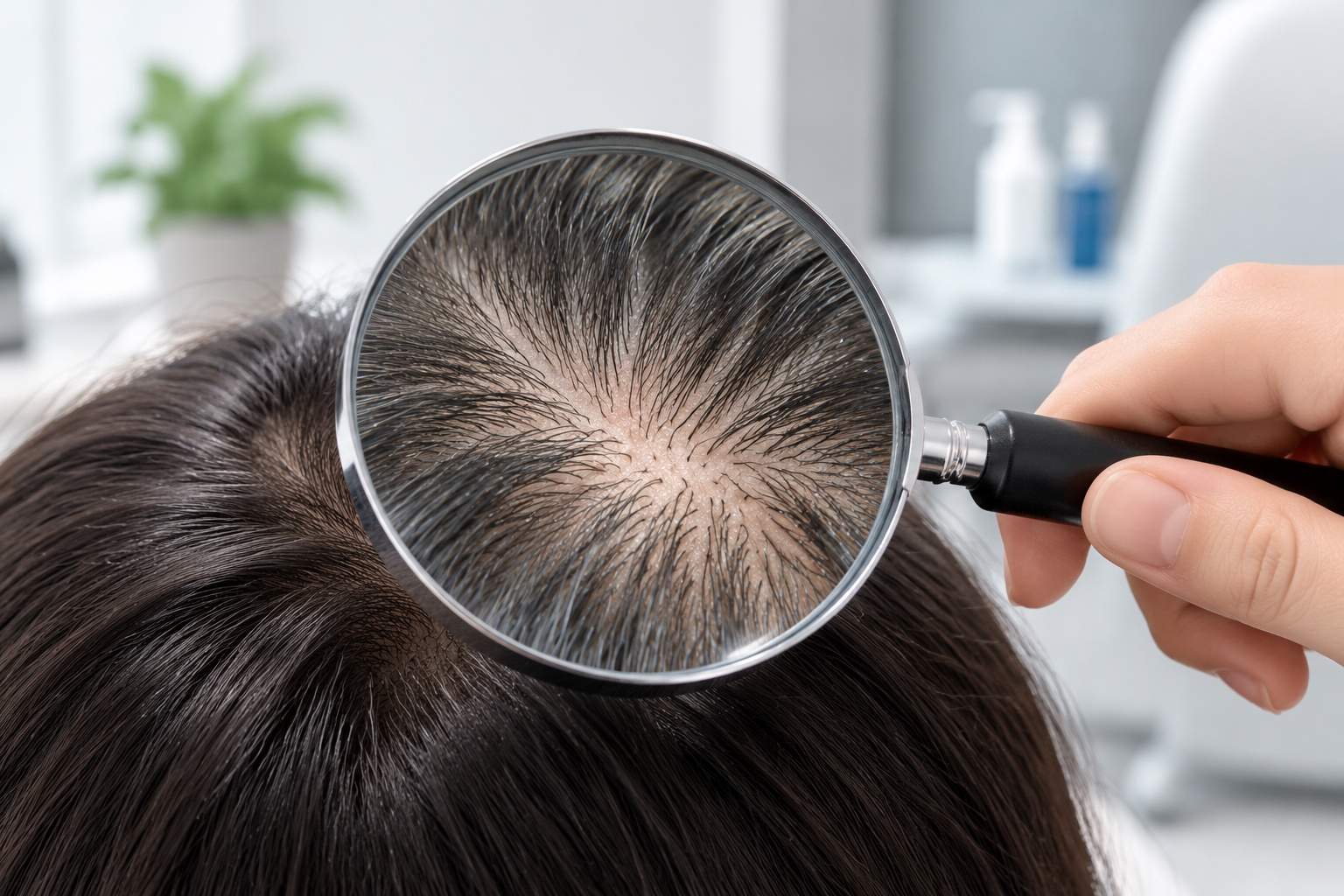
Research from Harvard University (2021) demonstrated that chronic stress puts hair follicles into an extended resting state by inhibiting the GAS6 protein, which is essential for activating hair follicle stem cells. When you are in a state of chronic "lifestyle debt," no amount of external product can override the internal shutdown signal. The result is a poor return on investment (ROI) for even the most premium products, as the biological environment remains hostile to growth.
Liquidity Traps: How Aggressive Cleaning Bankrupts Your Scalp’s Protective Barrier
There is a common misconception that a "squeaky clean" scalp is a healthy one. In financial terms, this is akin to liquidating all your assets to pay off a minor debt; you are left with no protection against market volatility. The scalp’s acid mantle and natural sebum act as a diversified portfolio of lipids and beneficial microbes that protect the follicle from inflammation.
The Acid Mantle as a Diversified Portfolio
When we use harsh surfactants to aggressively strip away oils, we create a "liquidity crisis" for the skin. The scalp reacts by either overproducing oil—leading to a greasy cycle—or becoming inflamed and dry. Inflammation is the ultimate "interest rate" on poor scalp care; it constricts blood flow and triggers premature entry into the telogen (shedding) phase. Sustainable scalp health for hair growth requires a balanced maintenance strategy rather than aggressive liquidation.
Evaluating the Cost of Hair Transplant Against Long-Term Biological Inflation
When the "lifestyle debt" becomes too high and thinning becomes permanent, many turn to surgical intervention. The cost of hair transplant surgery is not just financial; it is a redirection of biological resources. While a transplant can relocate healthy follicles to sparse areas, it does not address the underlying systemic "bankruptcy" that caused the loss in the first place.
If the recipient site—the scalp—remains under-perfused and inflamed, the "transplanted capital" may not thrive. Data suggests that the success rate of such procedures is significantly higher when the patient’s systemic health is optimized first. Viewing a transplant as a "bailout" rather than a permanent fix can lead to disappointment if the lifestyle habits that led to follicular attrition remain unchanged.
Reclaiming Your Principal: A Strategy for Sustainable Follicular Investment
To reverse the trend of hair loss, one must stop looking for a "get rich quick" scheme and start focusing on long-term wealth—biologically speaking. This means paying down the lifestyle debt. Prioritizing sleep, managing the "inflationary" effects of stress, and ensuring a steady flow of high-quality nutritional "capital" are the only ways to ensure your scalp remains a high-yield environment.
Micro-circulation as the High-Yield Savings Account
One of the most effective ways to improve the ROI of the best hair thinning treatments is to increase scalp "liquidity" through mechanical stimulation. Gentle scalp massage has been shown to increase hair thickness by stretching the cells of hair follicles, stimulating them to produce thicker hair. This costs nothing but time, yet it provides the physiological foundation that allows pharmacological or botanical treatments to actually reach their target.
FAQs
FAQs
Why do I experience minoxidil side effects even if I follow the instructions?
A: Side effects, such as scalp irritation or unwanted hair growth in adjacent areas, often occur because the scalp's barrier is compromised. If your "biological barrier" is thin due to harsh chemicals or poor nutrition, the medication may be absorbed too rapidly or cause localized inflammation, which is the body's way of protesting a "hostile takeover" of its natural rhythm.
Can I settle my lifestyle debt quickly to stop hair shedding?
A: Biology does not move at the speed of a digital transaction. Hair operates on a 3-to-6-month cycle. Even after you begin "repaying" your body through better nutrition and stress management, there is a lag time before the "interest payments" (shedding) stop and the "growth dividends" appear. Consistency is more important than intensity.