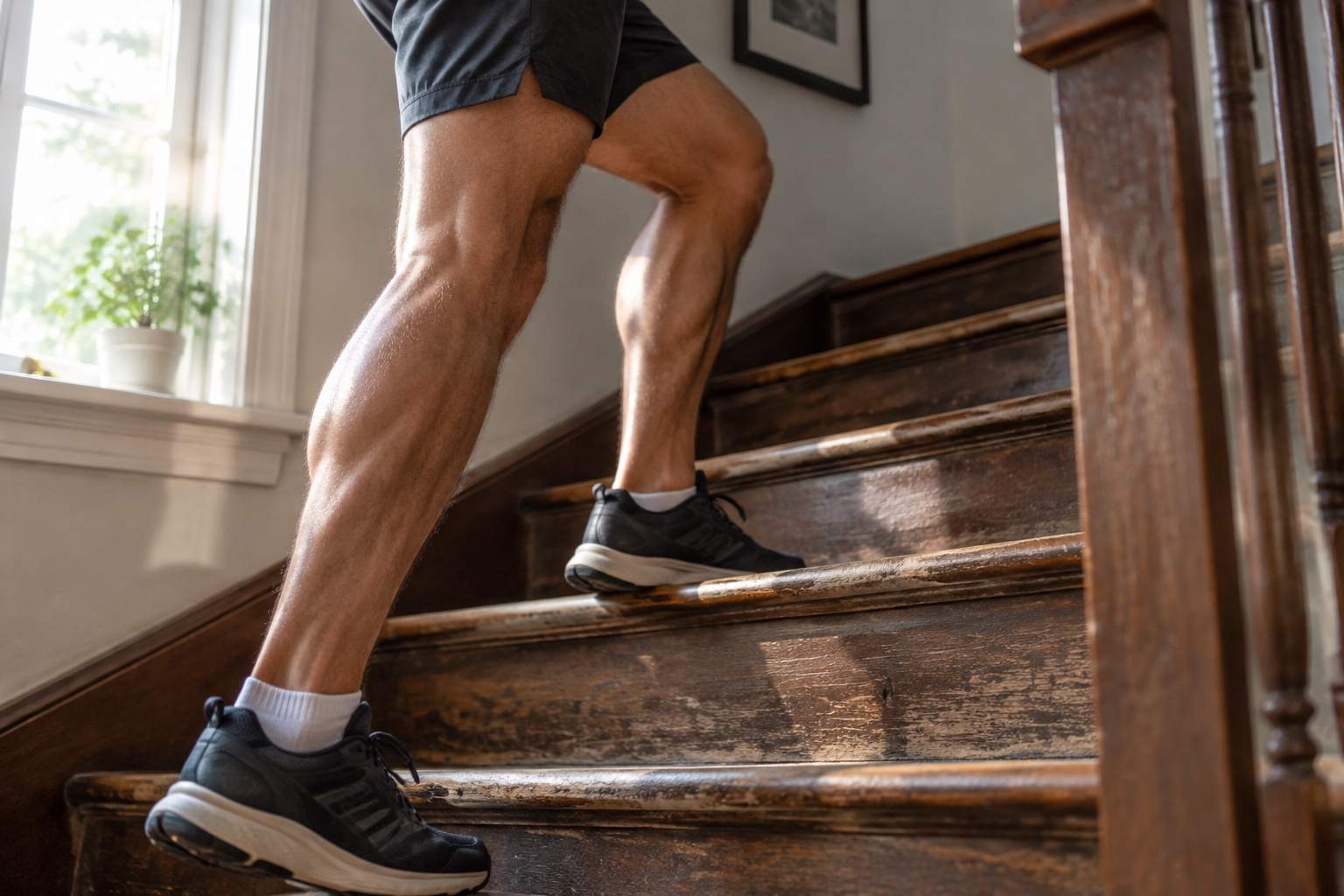
The morning ritual is usually sacred—the smell of freshly ground beans, the quiet hum of the house, and the slow descent down the stairs. But midway through the flight, a sharp, dry "pop" echoes from your right knee. It is a sound you have learned to ignore, much like a fluctuating stock price in a volatile market. You tell yourself it is just a sign of getting older, a minor tax paid for decades of walking. You might even consider buying a heavy-duty brace or an expensive treadmill to "fix" the issue later. However, in the economy of the human body, that click is not just a sound; it is a notification of a maturing debt that, if left unpaid, will eventually bankrupt your mobility.
E.g. :Chronic Exhaustion: The Silent Financial Drain on Your Productivity
- 1、Synovial Fluid as Biological Capital for Knee Pain Relief
- 2、The Depreciation of Rest and the Home Workout for Beginners
- 3、High Margin Returns on Strategic Movement Snacks
- 4、Amortizing Your Health Debt Through Functional Movement
- 5、FAQs
- 6、Q: Does a clicking knee always mean I have arthritis?
- 7、Q: Is it better to buy expensive supplements or invest in a trainer?
- 8、Q: How do I know if I am over-investing and causing damage?
Synovial Fluid as Biological Capital for Knee Pain Relief
To understand why your joints click, we must look at the biological ledger. Joints are not static hinges; they are sophisticated hydraulic systems. The "oil" in these systems is synovial fluid, a viscous substance that reduces friction and delivers nutrients to cartilage. Unlike a car that has an oil reservoir, your joints operate on a "pay-as-you-go" system. Cartilage is avascular, meaning it has no direct blood supply. It relies entirely on the "pump" of movement to squeeze nutrients in and waste products out.
When you remain sedentary, your biological capital stagnates. A study published in the Journal of Orthopaedic & Sports Physical Therapy indicates that moderate loading through movement actually strengthens cartilage rather than wearing it down. When you hear a click without pain, it is often gas bubbles bursting in the fluid—a phenomenon called cavitation—or tendons snapping over bony prominences. While not immediately damaging, frequent stiffness suggests the fluid is thickening and the "machinery" is running dry. If you do not reinvest in movement, the friction increases, leading to the physical version of a liquidity crisis.
The Opportunity Cost of the Resting Protocol
For decades, the standard advice for a stiff joint was the R.I.C.E method (Rest, Ice, Compression, Elevation). However, modern sports medicine is shifting toward P.O.L.I.C.E (Protect, Optimal Loading, Ice, Compression, Elevation). The "Optimal Loading" part is crucial. Total rest is a high-interest loan; it provides temporary relief but causes the surrounding muscles to atrophy, placing even more strain on the joint later. By avoiding movement, you are essentially selling off your long-term assets to pay for a moment of comfort.
The Depreciation of Rest and the Home Workout for Beginners
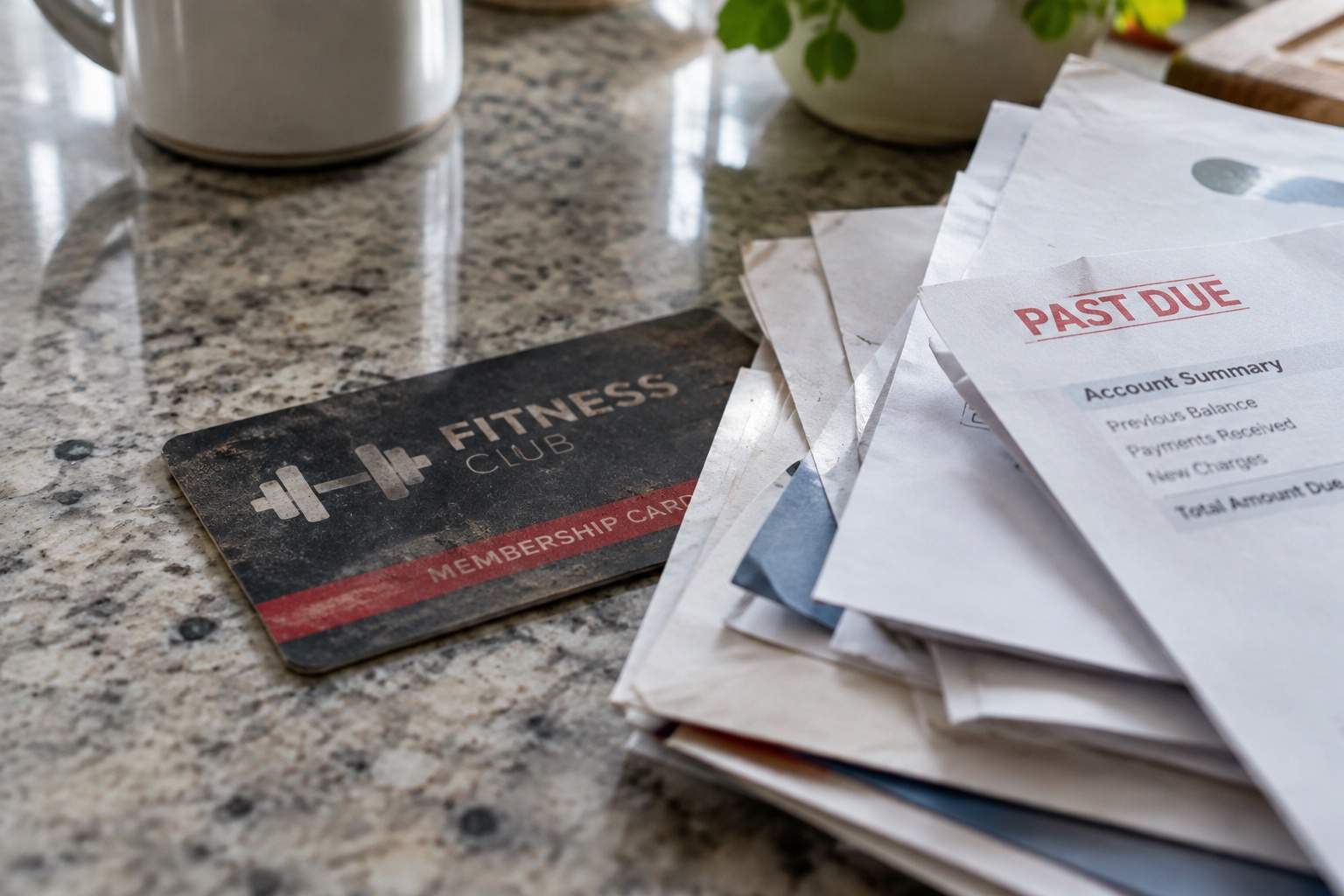
Many people believe that to fix a "bad" knee, they need a massive capital expenditure—a $2,000 treadmill or a high-end gym membership. This is a fundamental misunderstanding of health ROI (Return on Investment). A high-end machine often gathers dust because the "entry price" of time and effort feels too high. In reality, the most effective home workout for beginners does not require electricity; it requires gravity and consistency.
Data from the British Journal of Sports Medicine suggests that "movement snacks"—bouts of activity lasting as little as five to ten minutes—can significantly improve metabolic health and joint lubrication. The financial return on a five-minute daily squat routine is infinitely higher than a treadmill that serves as a clothes rack. You are not just burning calories; you are lubricating the hinges of your life. When you choose to sit for eight hours and then "power through" an hour of intense exercise, you are practicing a form of erratic accounting that the body cannot sustain.
High Margin Returns on Strategic Movement Snacks
If we view movement as a portfolio, we want low-risk, high-reward activities. A movement snack might involve standing on one leg while brushing your teeth to improve proprioception or performing "seated marches" at your desk. These actions cost zero dollars but pay out in the form of increased joint resilience.
Challenging the Cushioning Myth in Footwear
One of the most common "bad investments" in health is the over-cushioned running shoe. We are told that more foam equals more protection. However, excessive cushioning can dampen the sensory feedback from your feet to your brain. This causes your muscles to stay relaxed when they should be firing to protect your joints. This lack of stability often travels up the kinetic chain, manifesting as recurring lower back pain or hip instability. Transitioning to footwear that allows the foot to function naturally acts like a hedge against future injury, ensuring the foundation of your "building" is structurally sound.
Amortizing Your Health Debt Through Functional Movement
It is easy to feel overwhelmed by the feeling that your body is failing. There is a sense of betrayal when a knee that used to run marathons now struggles with a flight of stairs. But the body is remarkably forgiving if you start making small, consistent payments toward your health debt. Empathy for your current physical state is the first step toward recovery. You are not "broken"; you are simply under-maintained.
Facing a clicking knee with fear only leads to more bracing and less moving, which accelerates the breakdown. Instead, treat the click as a gentle tap on the shoulder from your CFO (Chief Functional Officer). It is a request to move, to lubricate, and to strengthen. By shifting your perspective from "repairing a problem" to "investing in an asset," you change the emotional weight of exercise. You are not working out because you have to; you are managing your most precious portfolio to ensure you remain "liquid" well into your senior years.
FAQs
Q: Does a clicking knee always mean I have arthritis?
A: Not necessarily. Medical literature distinguishes between "painless crepitus" and symptomatic osteoarthritis. If the click is not accompanied by swelling or sharp pain, it is often just the sound of structures moving or gas bubbles popping. However, it should be viewed as a signal to improve your functional range of motion and muscle support around the joint to prevent future degradation.
Q: Is it better to buy expensive supplements or invest in a trainer?
A: From a financial ROI perspective, a few sessions with a qualified physical therapist or trainer to learn proper movement patterns usually yields a higher return than generic supplements. Supplements are like "margin trading"—they might help, but they cannot fix a fundamental lack of structural integrity. Learning how to move correctly is a permanent asset that stays with you for life.
Q: How do I know if I am over-investing and causing damage?
A: The "24-hour rule" is a good metric. If you perform a new movement or workout and your joint pain increases significantly and stays elevated for more than 24 hours, you have exceeded your current "budget." You should scale back the intensity but not stop moving entirely. The goal is to find the "sweet spot" where you are challenging the tissue without causing a systemic inflammatory response.