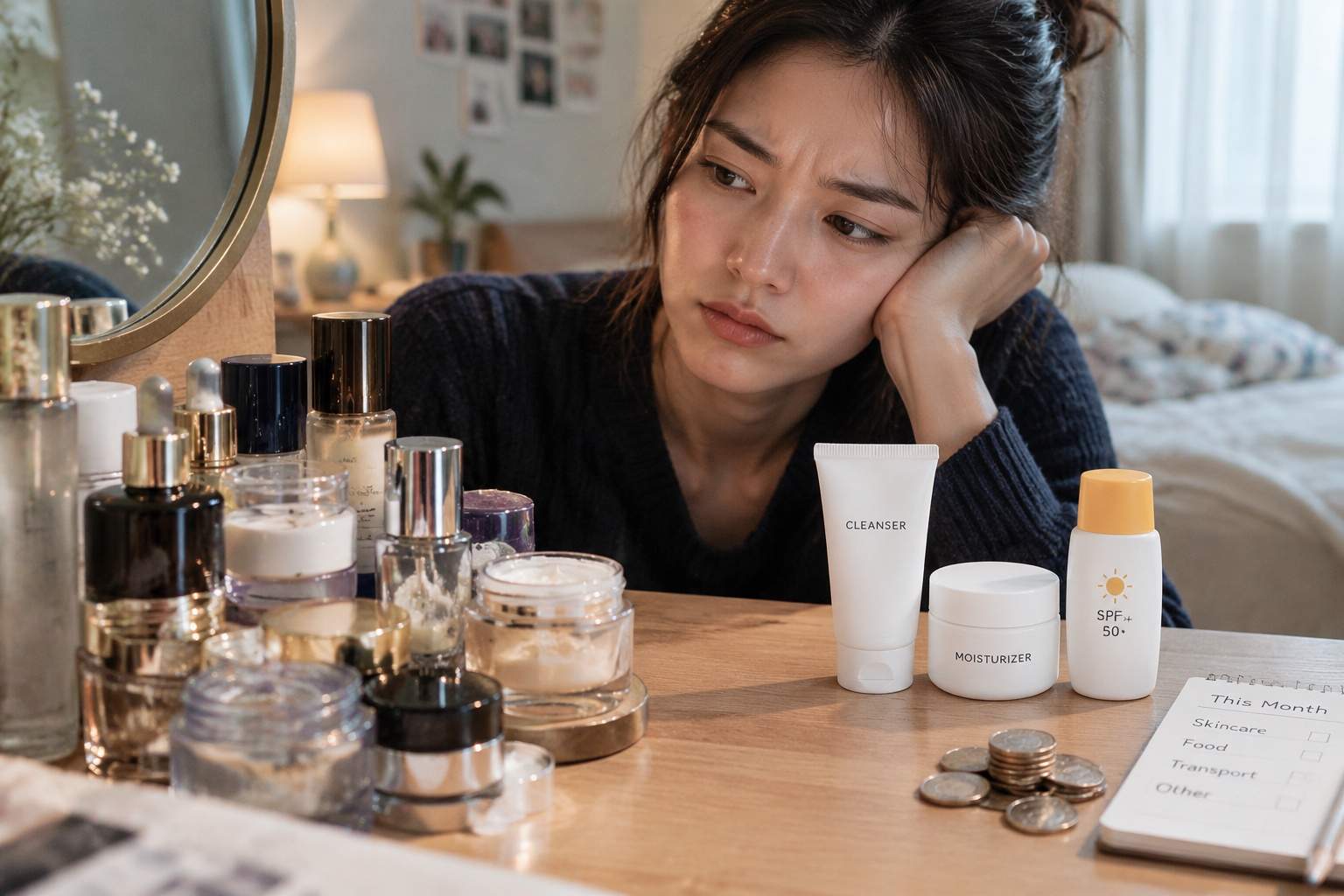
You wash your face in the morning, and within two hours, your T-zone shines. By midday, the grease builds up. So you wash again, maybe with a stronger cleanser. But strangely, underneath all that oil, your skin feels tight, rough, or slightly itchy.
E.g. :Why Sitting Up Straight Isn’t Always Good for Your Back
- 1、The Oily-But-Tight Paradox: A Sign Your Skin Barrier Is Struggling
- 2、Why “Oil-Free” and “Deep Clean” Marketing Often Makes Things Worse
- 3、How Over-Cleansing Disrupts Your Skin’s Natural Moisturizing System
- 4、Rebalancing Without Breaking Out: Practical Steps for Oily Skin Moisturizing
- 5、When to Seek Professional Help
- 6、FAQs
This contradiction—oily yet uncomfortable—is common. And most conventional advice makes it worse. What feels like an oil spill might actually be a cry for help from your skin’s protective barrier. Understanding that shift changes everything.
The Oily-But-Tight Paradox: A Sign Your Skin Barrier Is Struggling
When your skin feels both greasy and tight, that’s a physiological red flag. This sensation usually means your stratum corneum has lost some of its natural lipids and moisture-regulating ability, while your sebaceous glands pump out excess sebum as a chaotic response.
In healthy skin, sebum and intercellular lipids (ceramides, cholesterol, fatty acids) form a semi-permeable barrier. Over-cleansing strips those lipids. A 2018 study in the Journal of Clinical and Aesthetic Dermatology found that people with “oily but dehydrated” skin had significantly higher transepidermal water loss (TEWL) than normal oily skin, even with similar sebum production.
Why does skin pump out more oil after aggressive cleansing? Your sebaceous glands sense a disrupted barrier and respond with a primitive survival mechanism: produce more sebum to compensate. Cleanse, strip, rebound oil, cleanse harder.
Why “Oil-Free” and “Deep Clean” Marketing Often Makes Things Worse
Many foaming cleansers use sodium lauryl sulfate (SLS) or alcohol-based toners. These can remove 80–90% of surface lipids in a single wash, according to a 2016 International Journal of Cosmetic Science review. Alcohol above 10% disrupts the barrier within minutes, increasing TEWL by over 30% in a week (Dermatology and Therapy, 2020).
Your sebum isn’t your enemy. It carries vitamin E, has antimicrobial properties, and keeps the stratum corneum flexible. The goal is not zero oil—it’s regulated oil on a healthy barrier.

How Over-Cleansing Disrupts Your Skin’s Natural Moisturizing System
Your skin produces natural moisturizing factor (NMF): amino acids, urea, lactic acid. NMF is water-soluble. A harsh wash can remove 50% or more of your NMF (Skin Pharmacology and Physiology, 2015). Without enough NMF, your skin loses its ability to hold water internally. You feel tight underneath even with oil on top.
Repair requires gentle cleansing that leaves natural lipids intact, followed by barrier-supporting ingredients.
Rebalancing Without Breaking Out: Practical Steps for Oily Skin Moisturizing
The fear is real: “If I use a moisturizer, I’ll break out.” But the right oily skin moisturizing strategy actually reduces breakouts by calming the compensatory oil surge.
Choose a Gel or Light Lotion With Ceramides or Niacinamide
- Ceramides – A 2019 trial in Journal of Drugs in Dermatology showed a ceramide-dominant moisturizer reduced TEWL by 27% after two weeks in oily-prone skin, with no increase in acne.
- Niacinamide – A 12-week study found 4% niacinamide reduced sebum excretion by nearly 20% (British Journal of Dermatology, 2006).
- Hyaluronic acid – Pulls water into skin without adding oil.
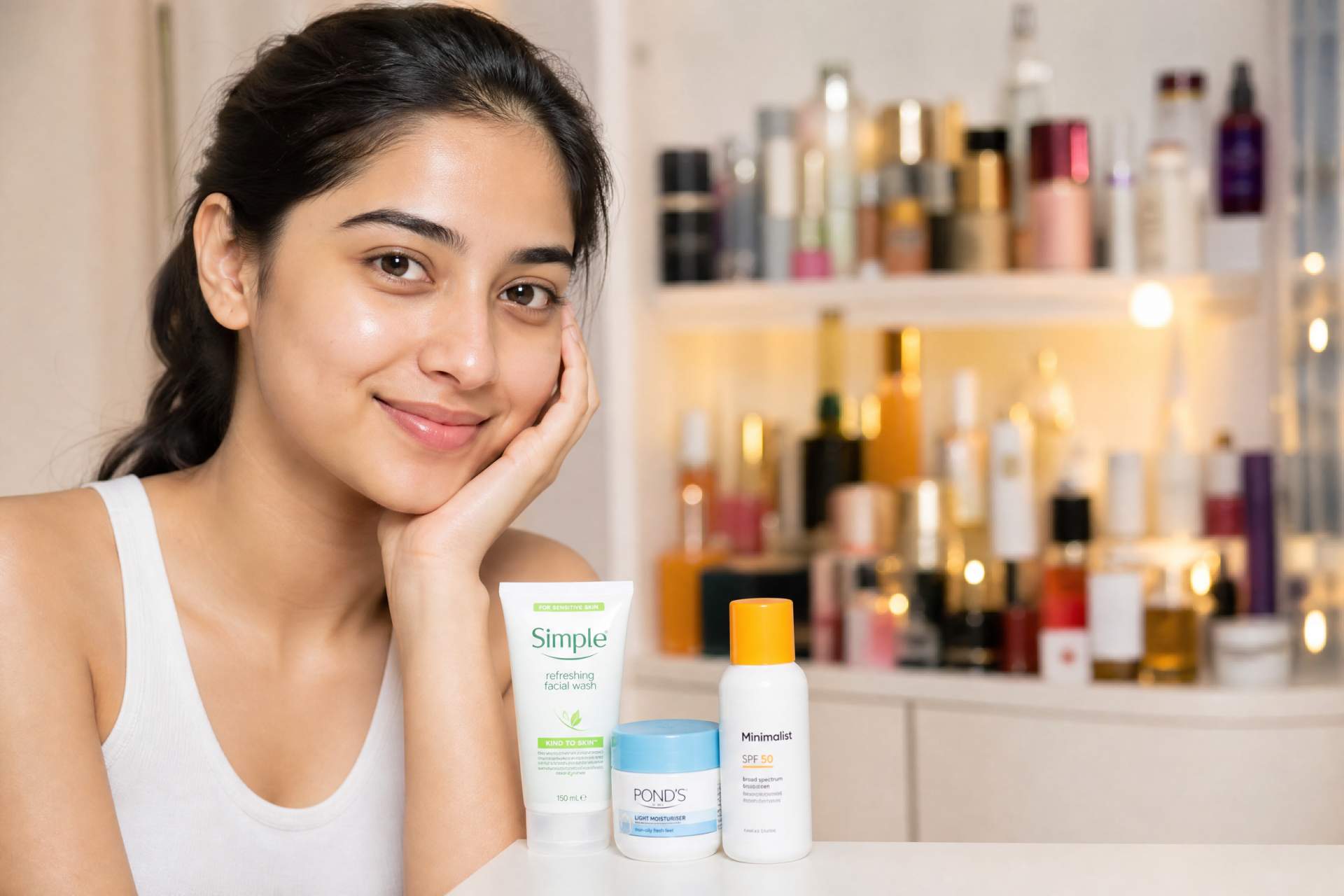
The 3-Step Routine for Oily-But-Tight Skin
- Gentle foaming cleanser – Once daily (evening). Avoid SLS; look for amino-acid-based cleansers.
- Barrier repair moisturizer – Apply on damp skin after cleansing.
- Lightweight sunscreen (AM) – Choose one with ceramides or niacinamide.
Within two to four weeks of consistent gentle care, most people notice reduced midday shine and the disappearance of tightness.
When to Seek Professional Help
If you’ve tried gentle cleansing and moisturizing for six weeks without improvement—or if you have painful cysts, persistent redness, or flaking—see a dermatologist. Prescription options like low-dose retinoids or spironolactone (for women) regulate sebum production systemically. But the principle remains: protect the barrier first.
FAQs
Q: Can oily skin be dehydrated at the same time?
A: Yes. Dehydration means lack of water, not lack of oil. The solution is water-binding humectants and barrier-repairing lipids, not stripping oil.
Q: Should I stop cleansing my face entirely if I have barrier damage?
A: No. Switch to a gentle, sulfate-free cleanser once daily (evening). In the morning, a lukewarm water rinse is often enough, followed by moisturizer and sunscreen.
Q: Does drinking more water directly fix oily skin?
A: For normally hydrated individuals, no. Multiple trials (including a 2018 study in Clinical, Cosmetic and Investigational Dermatology) found no measurable effect on sebum or TEWL from increased water intake. Topical barrier care matters far more.