
Many people settle into a familiar evening routine each day. They wind down on the couch scrolling through phones, watching short videos or browsing social media, assuming casual light screen use before bed does no real harm. They keep telling themselves only late-night binge watching affects rest, and that mild phone browsing can easily coexist with healthy sleep. What most do not realize is this tiny daily habit quietly disrupts body rhythm, drains steady energy, and leaves them waking up tired no matter how many hours they spend in bed.
E.g. :How DNA Methylation, Diet, and Exercise Control Gene Expression and Slow Biological Aging
- 1、How daily screen time disrupts natural sleep rhythm
- 2、Common wrong beliefs about sleep and evening screen habits
- 3、Why poor sleep quality drains daytime energy and mood
- 4、Practical small changes to protect sleep from screen interference
- 5、How stable sleep rhythm improves long term physical wellness
- 6、FAQs
How daily screen time disrupts natural sleep rhythm
Nearly 60 percent of adults worldwide regularly use electronic devices within one hour before bedtime, according to data from the Sleep Foundation. Most of them underestimate how even low-brightness screen light interferes with internal body clocks. Human bodies rely on natural dimming of outdoor light to signal the brain to produce melatonin, the hormone that prepares the body for deep rest.
Artificial light from phones, tablets and laptops mimics daylight and delays melatonin release significantly. This does not just make people fall asleep later. It fragments sleep cycles throughout the night, making shallow sleep more frequent and reducing the time spent in restorative deep sleep stages.
The hidden impact of blue light on nighttime rest
Blue light emitted from digital screens penetrates eye tissue more easily than other light wavelengths. It directly acts on the brain’s circadian control center, tricking the body into staying alert instead of slowing down. Even when users lower screen brightness or switch to dark mode, blue light exposure still remains high enough to alter sleep structure.
Common wrong beliefs about sleep and evening screen habits
Three widespread misunderstandings keep people stuck in poor sleep patterns year after year. Many believe if they can still fall asleep quickly, screen use has no negative effect. Others think only long hours of screen exposure cause health issues, while short casual browsing stays harmless. A third common thought is catching extra sleep on weekends can fully repair weekday sleep damage caused by screens.
None of these assumptions align with scientific research. Fast sleep onset does not equal good sleep quality. Short daily screen exposure creates cumulative circadian disruption, and weekend sleep compensation cannot reset a consistently distorted body rhythm.
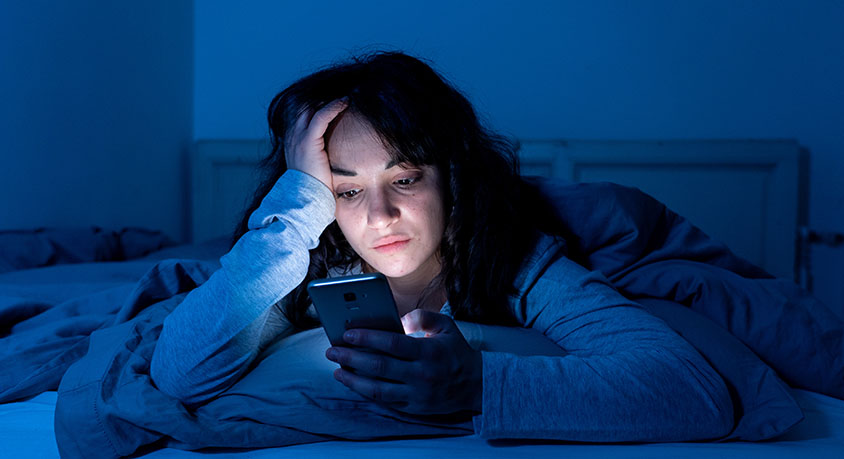
Why poor sleep quality drains daytime energy and mood
Consistent low-quality nighttime sleep caused by screen overuse affects more than just morning tiredness. Research published by Harvard T.H. Chan School of Public Health links regular pre-bed screen use to higher risks of daytime brain fog, unstable emotional states and reduced focus at work or study.
When deep sleep is repeatedly interrupted, the body fails to complete essential tissue repair and memory consolidation processes. People may spend seven or eight hours in bed each night, yet still feel sluggish, irritable and unable to concentrate by midday. This creates a vicious cycle: daytime fatigue leads to more screen browsing for relaxation at night, which further worsens sleep conditions.
Practical small changes to protect sleep from screen interference
Fixing sleep issues does not require completely giving up digital devices. Simple structured adjustments can restore natural sleep rhythm without drastic lifestyle changes. Setting a fixed device cutoff time one hour before bed allows melatonin production to follow its natural schedule.
Switching to non-screen relaxing activities such as gentle reading, slow stretching or quiet breathing exercises helps the brain shift into rest mode gradually. Keeping electronic devices outside the bedroom also removes the temptation of random late-night scrolling, building a clear mental boundary between leisure time and sleep time.
Easy daily routines to stabilize sleep cycle
Building steady evening routines trains the body to recognize consistent sleep signals. Keeping regular wake-up times even on weekends prevents circadian clock confusion. Dimming indoor home lights in the late afternoon also supports natural transition from daytime alertness to nighttime relaxation, reducing reliance on artificial screen light for unwinding.
How stable sleep rhythm improves long term physical wellness
Protecting nighttime sleep from unnecessary screen interference brings benefits far beyond feeling rested each morning. Stable sleep quality supports immune function, metabolic balance and mental clarity over time. It lowers the risk of persistent fatigue, frequent mood swings and long-term sleep disorders that often develop from years of ignored small bad habits.
Small daily choices around screen use shape long-term health outcomes more than most people assume. Understanding the underlying logic of circadian rhythm and melatonin response helps everyone make intentional choices instead of following unexamined daily routines.
FAQs
Q: Is dark mode on phones enough to prevent screen related sleep problems?
A: Dark mode mainly reduces visual eye strain but does not block most blue light emission. It cannot fully stop circadian disruption, so relying only on dark mode will not protect sleep quality effectively.
Q: Can I recover lost sleep from weekday screen use by sleeping longer on weekends?
A: Extended weekend sleep cannot fully reset a distorted circadian rhythm. Irregular sleep times confuse the body clock further, making it harder to maintain steady high-quality rest during the week.
Q: How long does it take to see sleep improvements after cutting pre-bed screen time?
A: Most people notice lighter morning tiredness and easier deep sleep within one to two weeks of consistent screen cutoff habits. Full stabilization of circadian rhythm usually takes three to four weeks of steady routine.