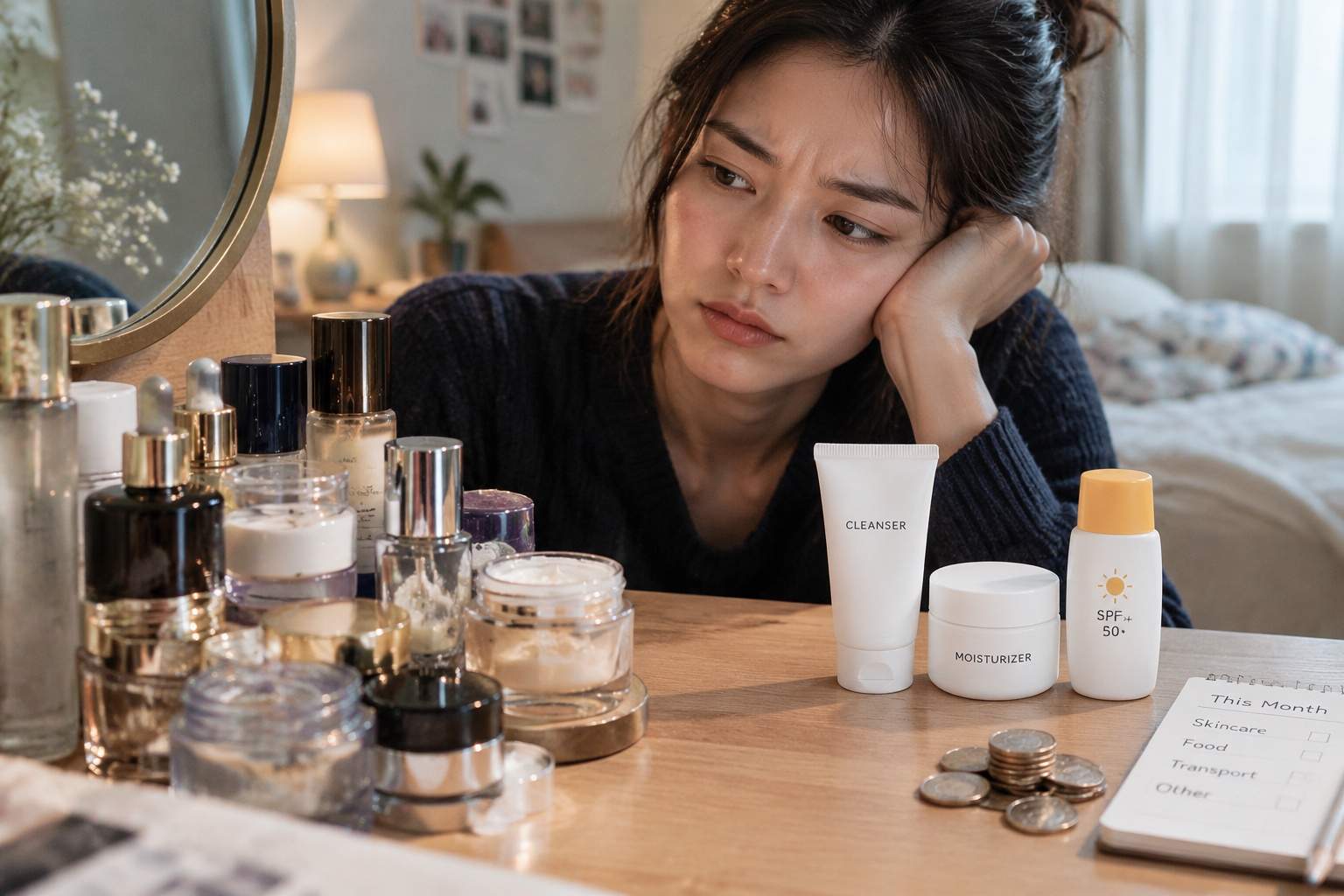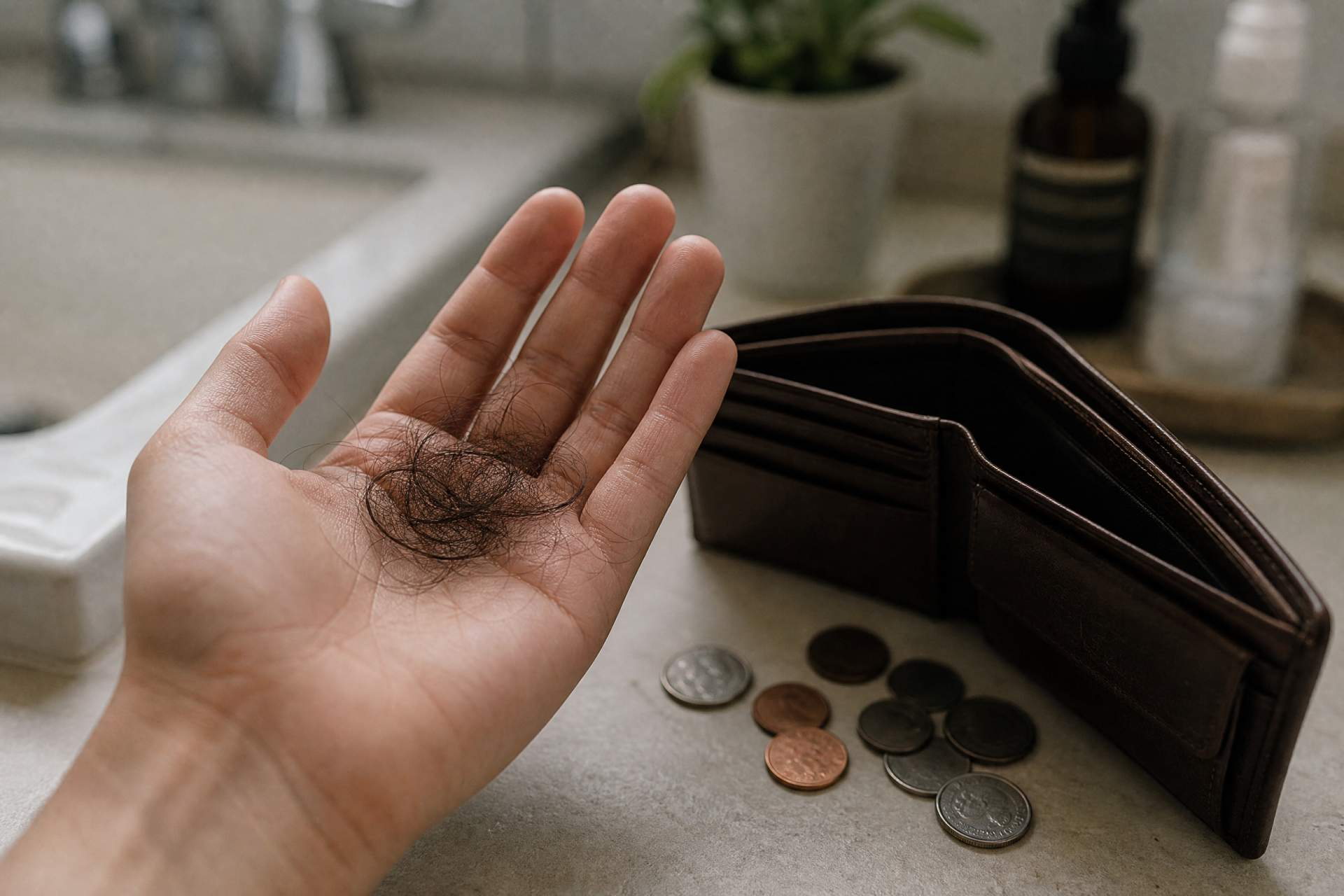
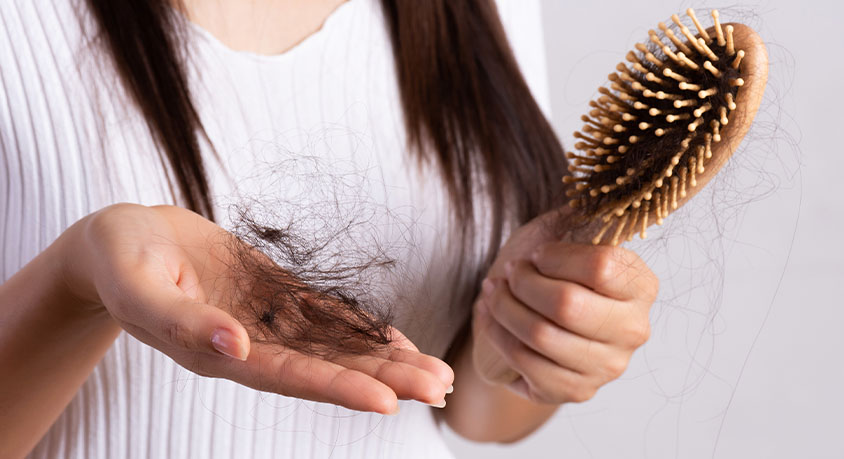
You brush your hair in the morning, a clump sticking to the bristles, and glance at your pillow dotted with strands that weren’t there last month. As seasons shift, you panic—grabbing expensive serums, doubling down on biotin, even cutting out coffee, all because you’ve been told these will “stop the loss fast.”
E.g. :Cutting Corners on Skin Care Erodes Your Skin Health "Capital"—Here’s How to Invest Wisely
- 1、Seasonal Hair Loss: It’s Not a “Loss”—It’s a “Portfolio Adjustment”
- 2、Why Expensive Hair Products Are Like Bad Investments
- 3、How to “Budget” Your Hair Care Like a Smart Investor
- 4、Why Cutting Out Coffee/Carbs Won’t Fix Seasonal Hair Loss
- 5、When to See a Dermatologist
- 6、FAQs
But what if this rush to “fix” seasonal hair loss is like pouring money into a high-risk, no-return investment? What if “more is better” for hair care is as unwise as overspending on an unaffordable luxury? For 68% of adults worldwide who experience seasonal hair loss (2025 International Society of Hair Restoration Surgery study), our response to those extra strands wastes money and peace of mind—missing the simple, science-backed logic that makes hair care like smart financial budgeting.
With a biology and preventive medicine background, I’ve untangled the link between seasonal changes and hair health—and the parallels to personal finance are clear. Your hair, like your bank account, thrives on consistency, not impulsive splurges. Seasonal hair loss isn’t a crisis; it’s a natural adjustment, and treating it like an emergency is like draining savings for a minor expense.
Seasonal Hair Loss: It’s Not a “Loss”—It’s a “Portfolio Adjustment”
Seasonal hair loss is normal and temporary. Like market fluctuations, your hair’s growth cycle shifts with temperature, sunlight, and humidity. The WHO reports 40-50% of hair follicles enter a resting phase in fall and spring, increasing shedding to 50-100 strands daily (up from 30-70).
Myth 1: Seasonal hair loss means unhealthy hair. We treat it like a financial emergency, rushing to buy expensive products to “stop the bleeding.” But just like a temporary portfolio dip isn’t loss, extra shedding isn’t hair damage—it’s resetting. A 2024 Journal of Dermatology study found seasonal shedding peaks in October (Northern Hemisphere) and March, decreasing 30% in 6-8 weeks with no intervention. Wasting money on quick fixes is like panic-selling stocks during a dip: unnecessary and harmful long-term.
Why Expensive Hair Products Are Like Bad Investments
When we see extra hair, we splurge on premium products, thinking “higher price = better results”—like investors chasing “high risk = high return.” This costly mistake leaves wallets lighter and hair no better.
The “Premium Price” Myth in Hair Care
Most expensive hair products rely on marketing, not science. A 2023 American Academy of Dermatology consumer report found 78% of premium serums have the same active ingredients as drugstore options—at 3-5x the price. It’s like paying more for a “luxury” savings account with the same interest rate: no extra value, just a fancy label. Hair health depends on internal care, not external splurges. A $10 scalp brush and routine do more for hair strength than a $50 serum.
How to “Budget” Your Hair Care Like a Smart Investor
Personal finance is about budgeting for ROI—hair care is no different. Skip expensive quick fixes; focus on low-cost, high-impact habits. Prioritize scalp health (5-minute daily massages, per 2024 Journal of Cosmetic Dermatology, reduce shedding by 22% in 8 weeks) and a protein-rich diet (NIH recommends chicken, beans, spinach) to fuel hair growth—like investing in steady-growth assets.
Why Cutting Out Coffee/Carbs Won’t Fix Seasonal Hair Loss
Myth 2: Coffee/carbs cause seasonal hair loss. Cutting them out is like abandoning a balanced portfolio for a trendy stock. A 2025 Harvard study found moderate coffee (1-2 cups/day) doesn’t increase shedding—caffeine may even stimulate follicles. Carbs provide glucose for hair growth; cutting them weakens hair, worsening shedding.
When to See a Dermatologist
Like consulting a financial advisor for long-term declines, see a dermatologist if shedding lasts over 3 months or you notice bald spots/thinning—that’s not seasonal loss. For seasonal shedding, patience and consistency work better than costly appointments.
FAQs
Q: Can seasonal hair loss lead to permanent baldness?
A: No. Seasonal hair loss is temporary (6-8 weeks) and doesn’t cause baldness. Permanent baldness stems from genetics/hormones, not seasonal changes.
Q: Are there affordable ways to reduce seasonal hair loss?
A: Yes. Daily scalp massages, a protein-rich diet, hydration, and avoiding excessive heat styling are low-cost and effective—like consistent saving for financial security.
Q: Is biotin effective for seasonal hair loss?
A: Rarely. Biotin only helps with biotin deficiency (less than 5% of adults, per NIH). Taking it for seasonal loss is a waste of money, like investing in an irrelevant stock.