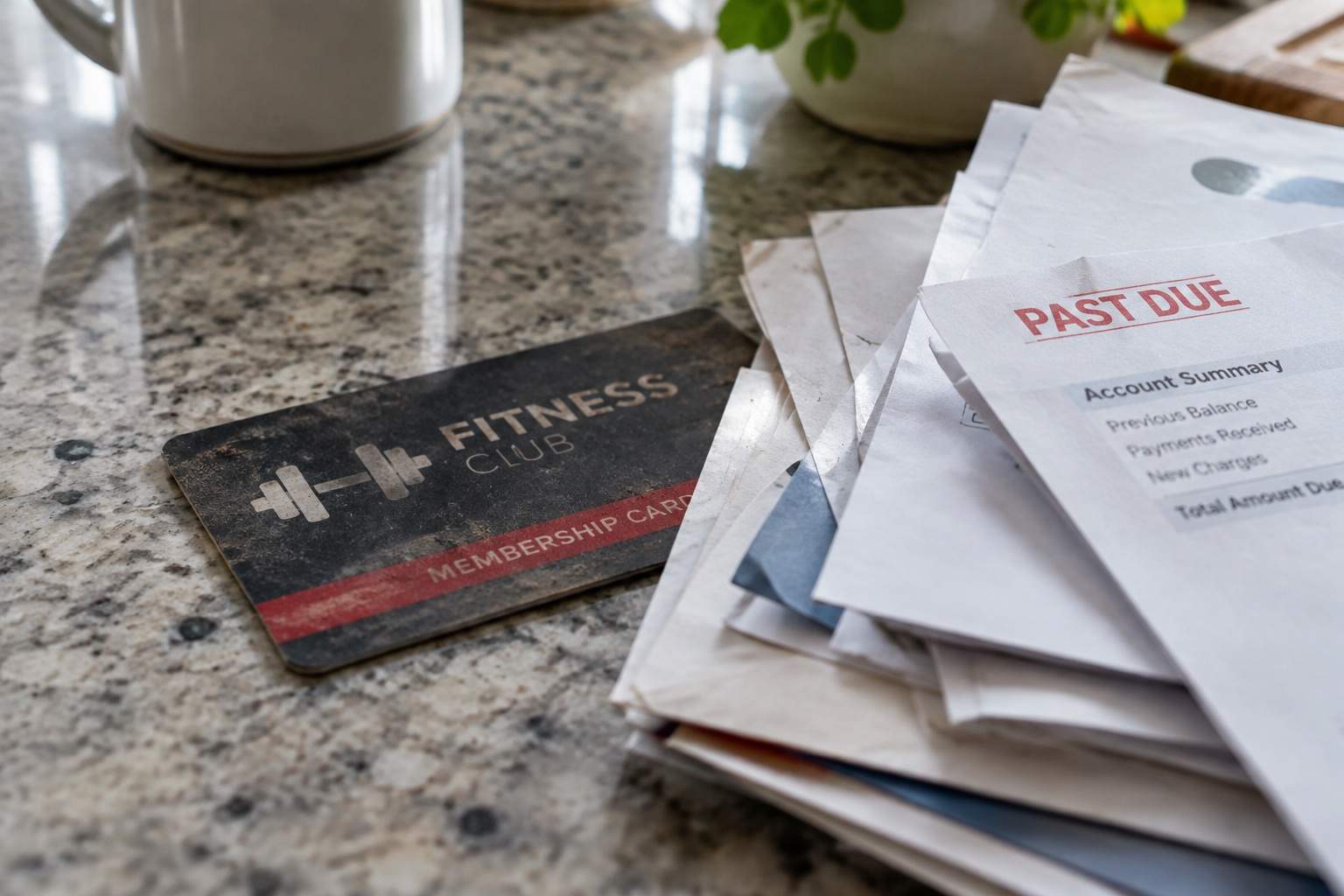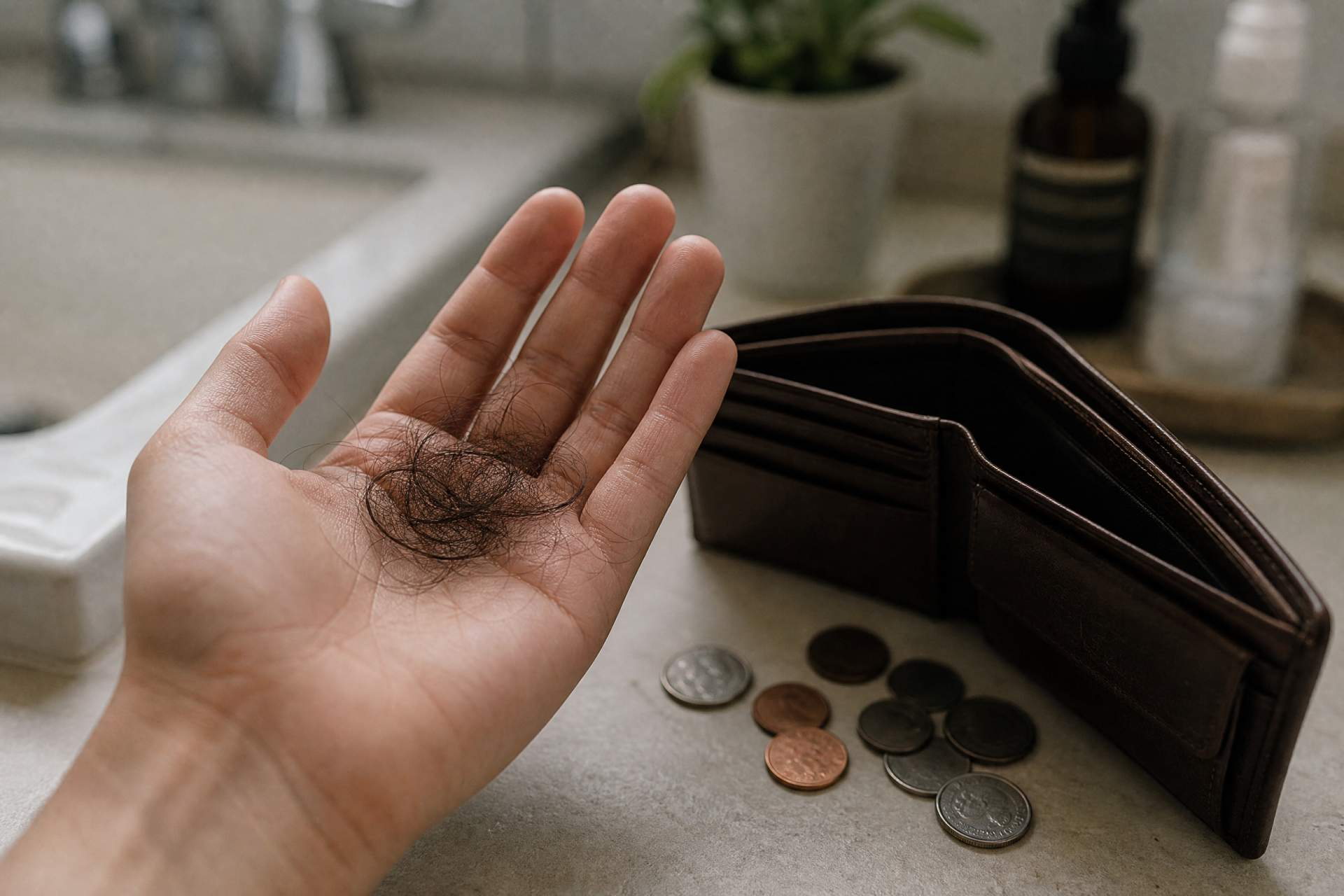
Every time you shower, you glance down at the drain and see a clump of hair—and you brush it off, thinking, “It’s just normal shedding.” When you run a comb through your hair and a handful comes out, you tell yourself, “Everyone loses hair, right?” You might even switch to a “strengthening” shampoo or skip conditioning to “save time,” convinced these small choices don’t matter. But what if your casual approach to hair care is slowly eroding your hair’s health “capital”—much like mindless spending chips away at your savings?
- 1、Daily Hair Shedding: When “Normal” Becomes a Warning Sign of Capital Loss
- 2、Common Hair Care Myths: Bad “Investment Decisions” for Your Hair
- 3、Building Hair Health “Capital”: The Low-Cost, High-Return Routine
- 4、How Nutrition Fuels Your Hair “Capital”
- 5、When to “Reassess” Your Hair Care “Portfolio”
- 6、FAQs
Many of us treat hair health as an afterthought, not an investment. We ignore the small, daily habits that build strong hair, just as we ignore small, regular savings that grow over time. From a financial perspective, your hair’s strength, follicle health, and growth cycle are your “hair capital.” Every wrong choice—over-washing, heat styling without protection, or skipping key nutrients—is a withdrawal from this capital. Over time, these withdrawals add up, turning normal shedding into excessive hair loss, dullness, and breakage.
Daily Hair Shedding: When “Normal” Becomes a Warning Sign of Capital Loss
You’ve probably heard that losing 50-100 hairs a day is “normal”—and that’s true, to an extent. But many people mistake excessive shedding (150+ hairs daily) for normal, or ignore the difference between “normal” shedding and hair loss that signals depleted hair capital.
Sarah, a 32-year-old marketing manager, noticed her hair was getting thinner at the part but brushed it off as “stress.” She kept washing her hair daily with harsh shampoo, using a hot hair dryer, and skipping hair oil—habits she thought were harmless. Within 6 months, her shedding doubled, and she started seeing more scalp. This is common: we dismiss small hair changes until they’re hard to ignore.
Data from the American Academy of Dermatology (AAD) shows 40% of women experience visible hair loss by age 40, and 80% of men by age 70—many accelerated by poor hair care, not just genetics. Excessive shedding lasting over 2-3 months is a warning: your hair capital is being depleted faster than it can replenish.
Why “Normal” Shedding Turns Into Excessive Hair Loss
Normal shedding is part of the hair growth cycle—old hairs fall out to make room for new ones, like replacing old assets. But damaging hair follicles disrupts this cycle. Harsh shampoos strip natural oils, heat styling weakens hair shafts, and poor nutrition starves follicles—all turning normal shedding into excessive loss.
The AAD explains hair follicles need consistent “investment” (nourishment, gentle care) to stay healthy. Neglecting them makes follicles weaker, producing thinner, fragile hair that falls out easily—like letting a high-yield investment sit idle.

Common Hair Care Myths: Bad “Investment Decisions” for Your Hair
We fall for hair care myths that sabotage our hair capital, much like poor financial myths lead to bad savings choices. These myths promise quick fixes but cause long-term damage.
One myth: “Washing your hair less makes it greasier.” This is backwards. Washing daily strips natural oils, so the scalp overproduces grease to compensate—eroding hair capital. The AAD recommends washing 2-3 times a week for most hair types, a smart investment in natural oils.
Another myth: “Heat styling is fine with a protectant.” Even with protectant, heat above 350°F damages hair cuticles. A Journal of Cosmetic Science study found regular heat styling (3+ times a week) increases breakage by 30%—a hidden cost to hair capital.
Building Hair Health “Capital”: The Low-Cost, High-Return Routine
You don’t need expensive products to build hair capital—simple, consistent habits are best.
Choose sulfate-free shampoo: Sulfates strip natural oils, like withdrawing from hair capital without replenishing. The AAD recommends sulfate-free formulas for all hair types, especially dry or shedding hair.
Condition every wash: Conditioner nourishes hair shafts, reducing breakage—like regular deposits into hair capital. Focus on ends (the oldest, most fragile part) and avoid the scalp.
Limit heat styling to 1-2 times a week: Use low heat and protectant when styling, but air-drying is the best low-risk investment.
How Nutrition Fuels Your Hair “Capital”
Your hair needs nutrients to thrive—like a business needs capital to grow. A Journal of Investigative Dermatology study found people low in iron, biotin, and omega-3s are 2x more likely to shed excessively. These nutrients (found in spinach, eggs, salmon) are high-yield investments for hair health.
No supplements are needed (unless a doctor recommends) — a balanced diet replenishes hair capital, like low-cost, reliable assets that grow steadily.
When to “Reassess” Your Hair Care “Portfolio”
Like reviewing a financial portfolio, check your hair health regularly. Signs to adjust your routine: 150+ hairs shed daily for 2+ months, thinning at the part, or brittle, breakable hair.
These signs mean your hair capital is depleting—small changes (sulfate-free shampoo, less heat styling, nutrient-rich foods) can reverse damage. Hair health is a long-term investment, not a quick fix.
FAQs
Q: Can brushing my hair too much cause hair loss?
A: Brushing distributes natural oils, but over-brushing (with a harsh brush) causes breakage. Use a wide-tooth comb or soft brush, brush gently from ends to roots, and avoid wet hair (it’s more fragile and prone to breakage).
Q: Does stress really cause hair loss?
A: Yes, stress can cause telogen effluvium, leading to excessive shedding 2-3 months after a stressful event. Stress disrupts the hair growth cycle, pushing more hairs into the shedding phase. Managing stress with exercise or rest reduces this loss and protects hair health.