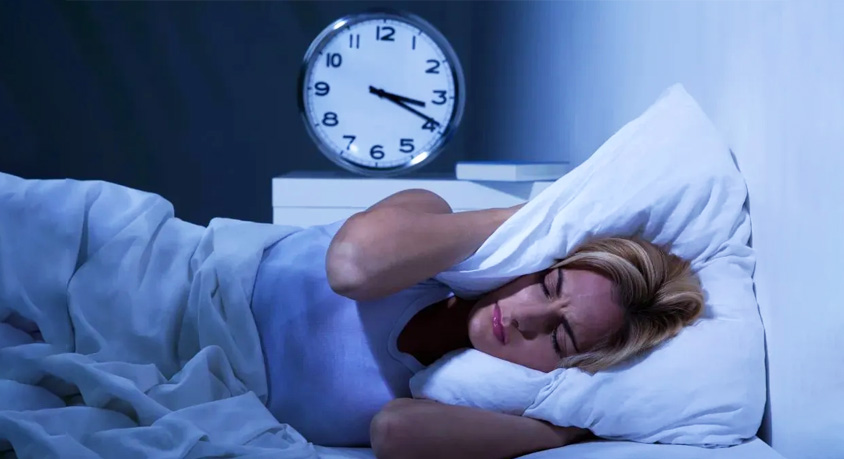
We think of health as a matter of personal choice. We curate our diets, schedule our workouts, and track our sleep. Yet beneath the surface of these deliberate decisions, an invisible current runs—a stream of synthetic chemicals, microscopic particles, and artificial light that we did not invite but cannot fully escape. This is the domain of environmental health, and it challenges the very notion of personal agency. The endocrine disruptors in a receipt you briefly touch, the microplastics that leach from a takeout container, the blue light from a lamp you did not know was harmful—these are not dramatic toxins that announce themselves with immediate symptoms. They are micro-threats, accumulating slowly, often silently, and their cumulative effect on metabolism, hormonal balance, and sleep architecture is only now coming into clear scientific focus. Understanding these pathways is not about fear. It is about informed choice: knowing which exposures matter most and where small changes yield disproportionate protection.
E.g. :The 3 PM Slump Is Stealing Your Mental Wealth: A Portfolio Approach to Energy
- 1、Endocrine Disrupting Chemicals: The Hidden Hormonal Saboteurs
- 2、Microplastics and Human Metabolism: The Emerging Evidence
- 3、Circadian Lighting Optimization: Restoring Sleep Architecture Through Light Management
- 4、The Synergy: How Environmental Exposures Compound
- 5、Building a Realistic Environmental Health Protocol
- 6、FAQs
Endocrine Disrupting Chemicals: The Hidden Hormonal Saboteurs
The term "endocrine disrupting chemicals" (EDCs) refers to a class of synthetic compounds that interfere with the body's hormone systems. Unlike acute toxins that cause immediate damage, EDCs mimic, block, or alter the signaling of natural hormones—often at extremely low doses. The consequences are not dramatic but cumulative: disrupted thyroid function, altered reproductive health, and a growing body of evidence linking EDC exposure to obesity and insulin resistance.
How EDCs Contribute to Metabolic Dysfunction and Weight Gain
A landmark 2015 statement from the Endocrine Society concluded that the evidence for EDCs as contributors to obesity and metabolic disease is now strong enough to warrant public health action. Compounds like bisphenol A (BPA), found in many plastics and thermal receipt paper, and phthalates, used to soften plastics and found in fragranced personal care products, have been shown in human studies to correlate with higher body mass index, increased waist circumference, and greater insulin resistance. The mechanism involves several pathways: EDCs can promote the differentiation of pre-adipocytes into mature fat cells (increasing fat storage), interfere with the signaling of leptin (the satiety hormone), and alter pancreatic beta-cell function. A 2020 review in The Lancet Diabetes & Endocrinology noted that reducing EDC exposure is a plausible, though underutilized, strategy for obesity prevention.
Practical Reduction Strategies
The goal is not elimination—EDCs are now ubiquitous—but meaningful reduction. Prioritize the following:
- Food Contact Materials: Replace plastic food storage containers with glass or stainless steel. Avoid heating food in plastic, as heat accelerates leaching. A glass water bottle for daily hydration eliminates a major source of BPA and phthalate exposure.
- Personal Care Products: Choose fragrance-free or naturally scented products. Avoid those listing "parfum" or "fragrance" as an ingredient, as this often conceals phthalates.
- Hand Washing: Regular hand washing before meals reduces incidental ingestion of dust-borne flame retardants and other EDCs.
Microplastics and Human Metabolism: The Emerging Evidence
If EDCs are chemical disruptors, microplastics represent a physical and chemical threat combined. Defined as plastic particles smaller than 5 millimeters (and often invisible to the naked eye), microplastics have been found in human blood, lung tissue, placenta, and even breast milk. A 2024 study in Nature Medicine detected microplastics in arterial plaque samples and found that individuals with detectable particles had a significantly higher risk of cardiovascular events over the following three years. While the metabolic research is newer, the implications are concerning.
How Microplastics May Disrupt Metabolic Health
Microplastics can carry adsorbed EDCs into the body, acting as vectors for chemical exposure. Additionally, their physical presence in the gut may alter the microbiome, increase intestinal permeability ("leaky gut"), and provoke chronic low-grade inflammation—a known driver of insulin resistance. Animal studies have shown that ingested microplastics can alter lipid metabolism and induce glucose intolerance. The human data is still emerging, but the precautionary principle suggests reducing exposure is prudent.
Actionable Steps to Reduce Microplastic Exposure
- Water: Install a carbon filter or reverse osmosis system for drinking water. Avoid bottled water, which contains significantly higher microplastic concentrations than tap water in most studies.
- Food Preparation: Use wooden or stainless steel cutting boards rather than plastic. Replace non-stick cookware (which can release microplastics and PFAS chemicals) with cast iron, stainless steel, or ceramic.
- Dust Control: Microplastics accumulate in household dust. Regular vacuuming with a HEPA-filtered vacuum and use of a HEPA air purifier can reduce inhalation exposure.
- Clothing: Choose natural fibers (cotton, wool, linen) over synthetics (polyester, nylon, acrylic) when possible. When washing synthetics, use a washing machine filter bag designed to capture microfibers.
Circadian Lighting Optimization: Restoring Sleep Architecture Through Light Management
The third micro-threat is not chemical but photonic. The artificial lighting that extends our days also disrupts our nights. The human circadian clock evolved under a simple pattern: bright, blue-rich light during the day; warm, dim light at night. Modern lighting inverts this pattern, exposing us to blue-dominant LED light well into the evening, suppressing melatonin and fragmenting sleep architecture.
The Mechanism: Blue Light, Melatonin, and Metabolic Health
Blue wavelength light (peaking around 480 nanometers) is the most potent suppressor of melatonin. When melatonin is suppressed, two things happen: sleep becomes shallower (reducing time in restorative slow-wave and REM stages), and the pancreas loses a protective signal that helps regulate insulin secretion. As discussed in previous articles on circadian rhythms, evening blue light exposure is directly linked to higher fasting glucose and increased diabetes risk. A 2019 study in JAMA Internal Medicine found that adults with higher nighttime light exposure had a 20-30% higher risk of developing type 2 diabetes over eight years, independent of sleep duration.
Practical Lighting Optimization
Evening Lighting Protocol
- Transition Lighting: Two hours before bed, switch to warm-spectrum bulbs (2700K or lower) and dim them to the lowest comfortable level.
- Screen Management: Use night mode on devices (which shifts the display to warmer colors) and wear blue blocking glasses for any screen use in the evening.
- Task Lighting: Rather than illuminating an entire room, use a small, dim reading lamp directed away from the eyes.
Morning Lighting Protocol
- Anchoring the Clock: Expose yourself to bright, natural light within 30 minutes of waking. If natural light is unavailable, use a bright (10,000 lux) light therapy lamp for 20-30 minutes.
- Avoid Blue Blocking in the Morning: Morning blue light is beneficial, setting the circadian clock and improving alertness. Save blue-blocking strategies for the evening only.
Bedroom Environment
- Complete Darkness: Use blackout curtains or a sleep mask. Even small light sources from electronics can disrupt sleep architecture.
- Remove Electronics: Keep phones, tablets, and laptops out of the bedroom. If necessary, place them face-down and on "do not disturb."
The Synergy: How Environmental Exposures Compound
The three categories of micro-threats do not operate in isolation. EDCs, microplastics, and circadian disruption interact. EDCs impair the body's ability to regulate metabolism, making it more vulnerable to the glucose dysregulation caused by circadian misalignment. Microplastics may carry EDCs into tissues and provoke inflammation that worsens insulin resistance. Poor sleep from lighting exposure reduces the body's capacity to detoxify and excrete environmental chemicals. The whole is greater than the sum of its parts.
Building a Realistic Environmental Health Protocol
The goal is not perfection but meaningful reduction of the highest-impact exposures. Prioritize the following in order of evidence strength:
- Water and Food Containers: Switch to glass or stainless steel for drinking and food storage. Stop heating food in plastic.
- Evening Lighting: Implement a 2-hour wind-down with dim, warm light and blue blocking glasses.
- Air Quality: Use a HEPA air purifier in the bedroom to reduce dust-bound EDCs and microplastics.
- Personal Care: Choose fragrance-free products and wash hands before meals.
FAQs
Q: Are all plastics equally harmful? Can I identify safer plastics by recycling numbers?
A: No plastic is entirely inert, but some are less problematic than others. Generally, recycling codes 1 (PETE), 2 (HDPE), and 5 (polypropylene) have lower leaching potential than 3 (PVC), 6 (polystyrene), and 7 (other, often containing polycarbonate with BPA). However, even "safer" plastics can leach endocrine disrupting chemicals under heat, acidity, or wear. The most reliable approach is to minimize food contact with any plastic, especially for hot, fatty, or acidic foods. A glass water bottle and glass food storage containers eliminate the uncertainty entirely.
Q: How can I tell if my lighting is harming my circadian rhythm? Are there affordable tools to measure blue light exposure?
A: The most accessible tool is observation. If you consistently feel alert and energetic in the morning but have difficulty falling asleep or experience fragmented sleep, evening light exposure is a likely contributor. For quantitative assessment, a simple light meter app on a smartphone can measure lux (brightness), but it cannot measure spectral composition. More affordable consumer devices now exist, but the general rule is simple: after sunset, use the warmest, dimmest lighting that allows safe navigation. A pair of blue blocking glasses worn for 90 minutes before bed provides a reliable intervention regardless of your home's lighting spectrum.
Q: I already eat a clean diet and exercise regularly. Is environmental exposure really significant enough to worry about?
A: This is an excellent and important question. The honest answer is that for an otherwise healthy person with good metabolic function, environmental exposures are likely a smaller contributor than diet and exercise. However, two points merit consideration. First, the effects of EDCs and circadian disruption are dose-dependent and cumulative; reducing them adds to the protective buffer you have already built. Second, for individuals with unexplained metabolic resistance—difficulty losing weight despite good habits, or worsening glucose control—environmental factors can be the hidden variable. Addressing them is not a substitute for foundational habits but a sophisticated refinement. Think of it as the final 10% of optimization that may yield disproportionate benefits for some individuals.