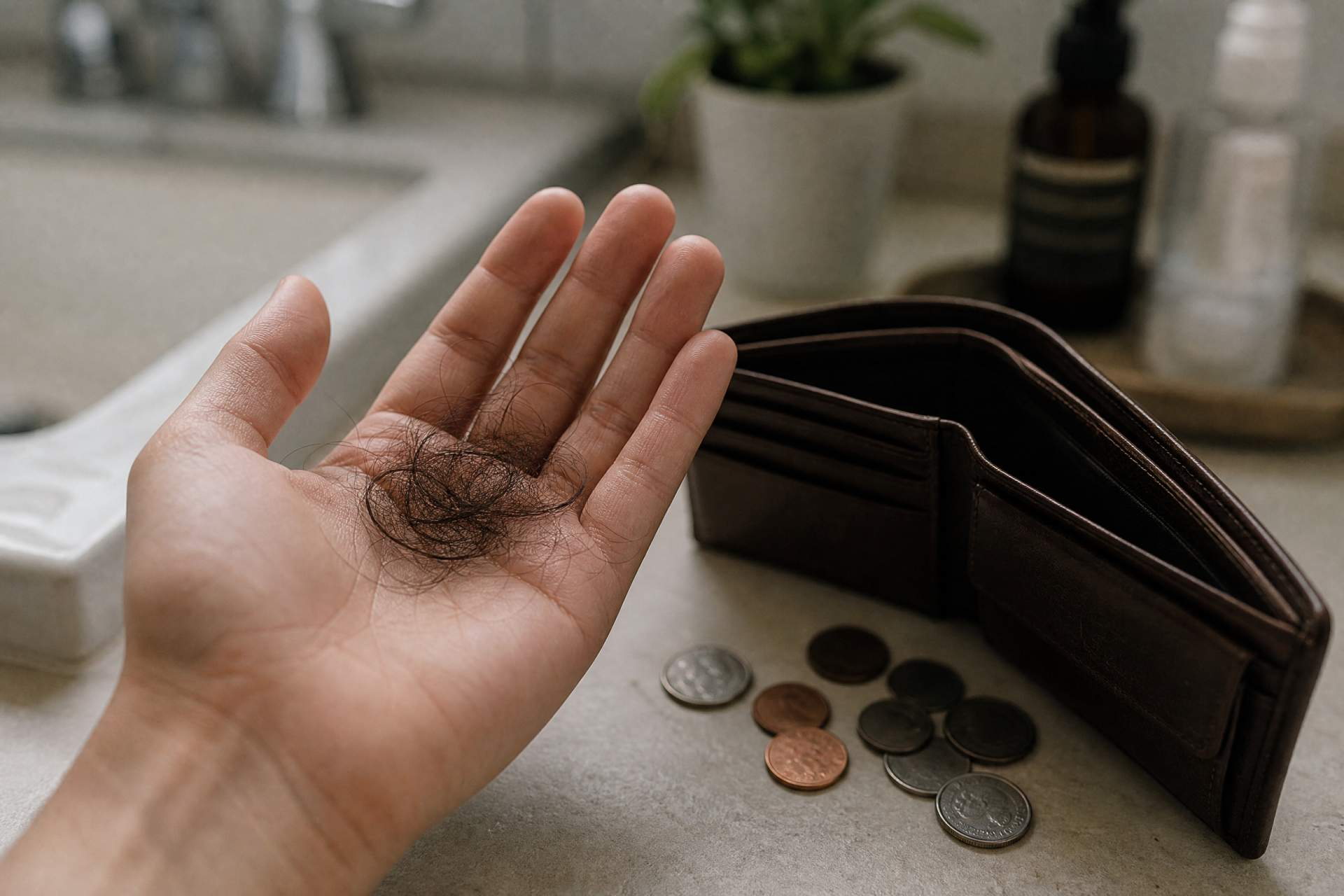
You finish brushing your teeth in 30 seconds, skip flossing because “it’s a hassle,” and ignore the occasional bleeding when you brush—dismissing it as “no big deal.” You visit the dentist only when you have a toothache, thinking oral care is just “maintenance” rather than an investment. But that casual attitude is slowly depleting your dental health “capital”—much like ignoring small debts until they snowball into something unmanageable.
- 1、Gum Bleeding: A Warning Sign of Depleted Dental Capital
- 2、Common Oral Care Myths: Wasting Dental Capital Unknowingly
- 3、Building Dental Health “Capital”: A Simple, Low-Cost Routine
- 4、Fluoride: The “Compound Interest” for Dental Capital
- 5、When to “Reassess” Your Oral Care “Portfolio”
- 6、FAQs
Your teeth and gums are a long-term asset, and their health depends on consistent, smart care. From a financial perspective, your tooth enamel, gum health, and oral microbiome are your “dental capital.” Every shortcut—rushing brushing, skipping floss, avoiding the dentist—is a withdrawal from this capital. Over time, these small withdrawals lead to gum disease, tooth decay, and costly treatments, just like overlooked expenses eat into your savings.
Gum Bleeding: A Warning Sign of Depleted Dental Capital
Many people brush off gum bleeding as “normal,” especially after a firm brush. But bleeding gums aren’t a minor annoyance—they’re an early warning that your dental capital is eroding, and your gums are inflamed (gingivitis).
Jake, 35, noticed his gums bled when he brushed but thought it was from “brushing too hard.” He kept skipping floss and rushing through brushing, until his gums became red, swollen, and started to recede. What he didn’t know: bleeding gums signal gum irritation, often caused by plaque buildup that flossing would remove—his inaction was depleting his dental capital.
Data from the American Dental Association (ADA) shows 47.2% of U.S. adults have some form of gum disease, and 80% of cases start with bleeding gums. Gingivitis is reversible with proper care, but ignoring it leads to periodontitis—permanent damage to gum and bone, a major loss of dental capital.
Why Skipping Floss Is a Costly “Financial Mistake” for Teeth
Flossing is often seen as an “extra” step, but it’s as important as brushing. Plaque hides between teeth, where a toothbrush can’t reach—skipping floss lets plaque harden into tartar, which irritates gums and erodes enamel. This is like ignoring a small bill—you save time now, but pay more later in treatments.
The ADA confirms flossing daily reduces gum disease risk by 30% and tooth decay by 40%. It’s a low-effort, high-return investment in your dental capital, preventing costly fillings, root canals, or gum surgery down the line.
Common Oral Care Myths: Wasting Dental Capital Unknowingly
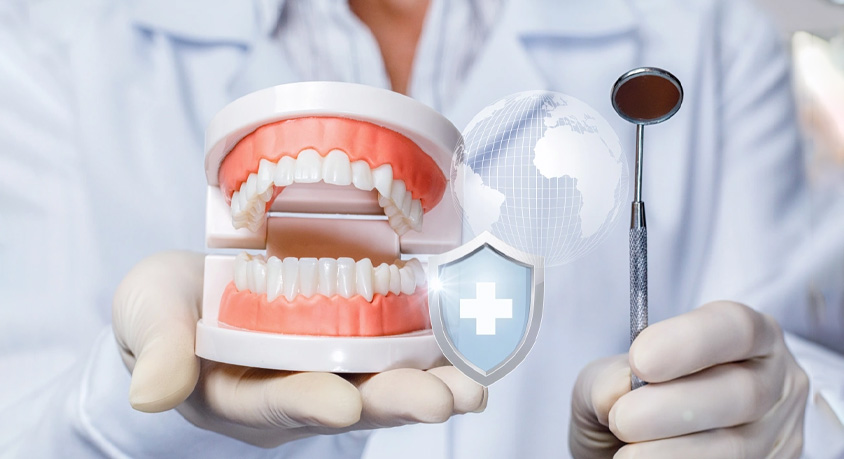
Just as bad financial myths lead to poor savings, oral care myths make us deplete dental capital without realizing it. These myths sound reasonable but harm long-term dental health.
One myth: “Brushing harder cleans better.” This is like overworking an investment—hard brushing damages tooth enamel and irritates gums, eroding capital. The ADA recommends gentle, circular motions with a soft-bristle brush—effective cleaning without damage.
Another myth: “Visiting the dentist is only for toothaches.” This is like skipping a financial checkup—preventive visits (twice a year) catch small issues early, before they become costly. The ADA says regular cleanings and exams reduce major dental expenses by 50%, protecting your dental capital.
Building Dental Health “Capital”: A Simple, Low-Cost Routine
You don’t need expensive products or treatments to build dental capital—simple, consistent habits deliver the best returns, like regular small savings growing over time.
Use a soft-bristle toothbrush: Gentle on enamel and gums, preventing damage. Replace it every 3-4 months (or when bristles fray)—worn brushes don’t clean effectively, wasting effort.
Brush twice daily for 2 minutes: Use fluoride toothpaste, which strengthens enamel (a key part of dental capital). The ADA recommends dividing your mouth into quadrants to ensure you don’t rush.
Floss daily: Focus on gently sliding floss between teeth, removing plaque. If traditional floss is hard, use floss picks—consistency matters more than method.
Fluoride: The “Compound Interest” for Dental Capital
Fluoride is a powerful tool to grow dental capital—it’s like compound interest, strengthening enamel over time and preventing decay.
A study published in the Journal of Dental Research found that fluoride toothpaste reduces tooth decay by 24% in adults. Fluoride remineralizes weakened enamel, repairing small damage before it becomes a cavity. It’s a low-cost investment (found in most toothpastes) with long-term returns.
When to “Reassess” Your Oral Care “Portfolio”
Like rebalancing a financial portfolio, adjust your oral care routine if you see signs of depleted capital: persistent gum bleeding, tooth sensitivity, bad breath, or tooth pain.
These signs mean your current habits aren’t working—small changes (switching to a soft brush, flossing daily) can reverse early damage. Regular dental visits are key to keeping your dental capital on track.
FAQs
Q: Why do my gums bleed when I brush or floss?
A: Bleeding gums are usually a sign of gingivitis (gum inflammation), caused by plaque buildup. It’s not normal—consistent flossing and gentle brushing will reduce inflammation within 1-2 weeks. If bleeding persists, visit a dentist to rule out more serious gum disease.
Q: How often should I replace my toothbrush?
A: The ADA recommends replacing your toothbrush every 3-4 months, or sooner if the bristles are frayed. Worn bristles don’t clean teeth effectively, leading to plaque buildup and potential damage to gums and enamel.
Q: Is fluoride toothpaste necessary for adults?
A: Yes, fluoride is beneficial for adults. It strengthens tooth enamel, prevents decay, and helps repair early enamel damage. Even if you drink fluoridated water, fluoride toothpaste provides an extra layer of protection for your teeth.