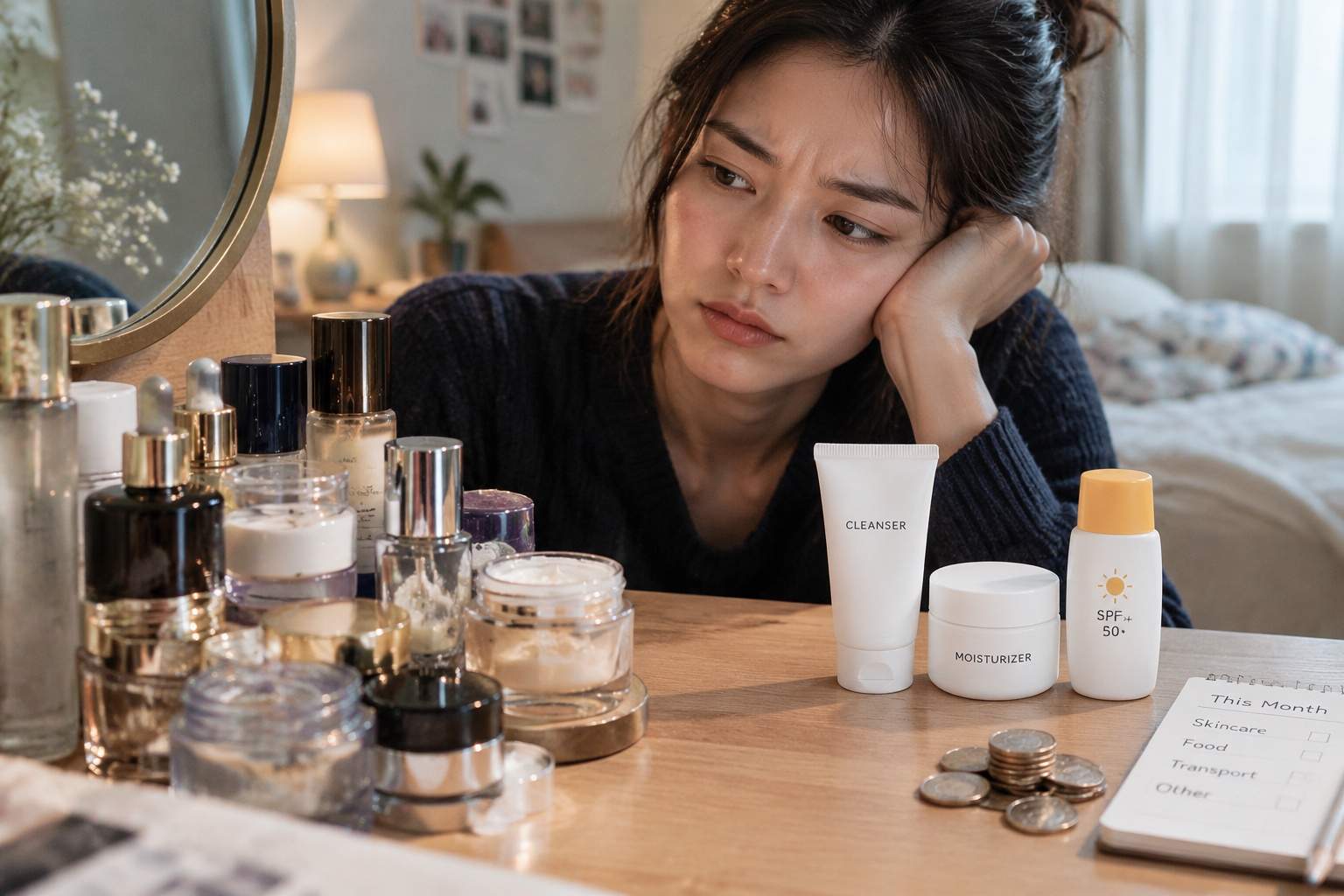
You might notice a curious pattern in modern wellness marketing. Every week brings a new supplement, a new device, a new powder to mix into your morning beverage. The implicit promise is that health is something you buy—a collection of products that stack on your counter and drain your wallet. But what if the opposite were true? What if the most powerful health interventions are also the simplest, the cheapest, and the kindest to the planet? A growing movement, rooted in both science and common sense, argues exactly that. It is called minimalist wellness, and its premise is radical: stop consuming your way to health. Instead, remove the junk—from your diet, from your home, from your exposure to environmental chemicals—and let your body's innate intelligence take over. This approach aligns personal health with planetary health. Reducing plastic waste is good for the Earth and good for your endocrine system. Eating whole foods reduces packaging and reduces inflammation. Walking outside requires no electricity and restores your circadian rhythm. This is not about deprivation. It is about focusing on what actually works and discarding the rest.
E.g. :How Sleep Fragmentation Causes Insulin Resistance and Melatonin Clears Brain Waste
- 1、Minimalist Wellness: Doing Less, But Better
- 2、Sustainable Health: Aligning Personal and Planetary Well-Being
- 3、Endocrine Disruptors: The Case for a Plastic-Free Kitchen
- 4、Microplastics Metabolism: The Hidden Metabolic Disruptor
- 5、Circular Well-Being: The Closed Loop of Health
- 6、A Realistic Protocol for Minimalist, Sustainable Health
- 7、The Takeaway
- 8、FAQs
Minimalist Wellness: Doing Less, But Better
Minimalist wellness is not about having nothing. It is about having only what serves you. The core insight is that most commercial wellness products are solutions to problems created by other commercial products. A digestive enzyme is less necessary if you stop eating processed foods. A blue light screen protector is less necessary if you put down your phone an hour before bed. A closet full of activewear is less necessary if you simply walk in the clothes you already own.
The Evidence for Less
A 2020 review in BMJ Evidence-Based Medicine examined the evidence for popular wellness supplements and found that the vast majority provided no measurable benefit for healthy individuals. Meanwhile, the interventions with the strongest evidence—regular physical activity, a diet rich in whole plants, adequate sleep, social connection—cost almost nothing. Minimalist wellness asks you to redirect your time and money away from products and toward behaviors. Instead of buying an expensive sleep aid, establish a consistent bedtime. Instead of a pantry full of protein powders, eat a serving of beans or lentils. This is not asceticism; it is efficiency.
Practical Steps Toward Minimalist Wellness
Audit your wellness purchases. Which have made a measurable difference? Which are gathering dust?
Replace one supplement with one whole food this week.
Unsubscribe from wellness marketing emails that create a sense of lack.
Use a stainless steel water bottle instead of buying plastic bottled water or expensive "structured water" devices.
Sustainable Health: Aligning Personal and Planetary Well-Being
Sustainable health recognizes that you cannot be healthy on a sick planet. The same industrial processes that pollute air and water also contaminate your body. The same agricultural practices that degrade soil also produce food with fewer nutrients. Conversely, choices that reduce your environmental footprint tend to improve your personal health markers.
The Overlap Between Personal and Planetary Health
A 2019 report in The Lancet Commission on Planetary Health outlined how a plant-rich diet, active transportation (walking, cycling), reduced energy consumption, and minimized waste production benefit both individual health and ecological stability. For example, replacing a 10-minute car commute with a 30-minute walk reduces carbon emissions and improves cardiovascular fitness. Eating beans instead of beef reduces methane production and lowers saturated fat intake. Turning off unused lights saves electricity and improves melatonin production by reducing evening light exposure.
Practical Sustainable Health Habits
Eat lower on the food chain: more plants, less meat, especially red meat.
Choose seasonal, local produce when possible (reduces transport emissions and often has higher nutrient density).
Walk or bike for short trips instead of driving.
Use natural fiber cleaning cloths instead of disposable wipes, reducing plastic waste and chemical exposure.
Endocrine Disruptors: The Case for a Plastic-Free Kitchen
One of the most concrete connections between environmental health and personal health is the class of chemicals known as endocrine disruptors. These compounds, found in many plastics, interfere with hormone signaling. They have been linked to obesity, insulin resistance, infertility, and certain cancers.
How Endocrine Disruptors Enter Your Body
Bisphenol A (BPA) and its replacements (BPS, BPF) are used in plastic food containers, water bottles, and the lining of canned goods. Phthalates are added to plastics to make them flexible and are found in food packaging, vinyl flooring, and personal care products. When you heat food in plastic, the chemicals leach into your meal. When you drink from a plastic bottle that has been sitting in a warm car, you ingest plasticizers. A 2021 study in Environmental Science & Technology estimated that the average person ingests approximately 5 grams of microplastics per week—about the weight of a credit card. These particles carry endocrine-disrupting chemicals directly into your digestive tract.
Practical Steps to Block Endocrine Disruptors
Kitchen Swaps
Replace plastic food storage with glass food containers. Glass does not leach, even when heated.
Replace plastic water bottles with a stainless steel water bottle.
Never microwave food in plastic. Transfer to glass or ceramic first.
Avoid non-stick cookware (which contains PFAS). Use cast iron, stainless steel, or ceramic.
Food Choices
Reduce canned food consumption. When you do buy canned, look for "BPA-free" linings (though replacements may be similar).
Avoid processed foods packaged in plastic. Buy in bulk using your own containers when possible.
Store leftovers in glass, not plastic wrap. Use beeswax wraps or silicone lids as alternatives.
Microplastics Metabolism: The Hidden Metabolic Disruptor
The relationship between microplastics metabolism is an emerging area of concern. Microplastics are not inert; they provoke inflammation, alter gut microbiota, and may directly interfere with energy balance.
What the Research Shows
A 2022 study in The Journal of Hazardous Materials found that mice exposed to microplastics developed insulin resistance, increased fat mass, and altered lipid profiles. The proposed mechanisms include gut barrier disruption (leading to systemic inflammation) and direct toxicity to pancreatic beta cells. While human studies are still limited, the precautionary principle suggests reducing microplastic exposure is prudent.

How to Reduce Microplastic Ingestion
Drink tap water filtered through a carbon or reverse osmosis system rather than bottled water. Bottled water contains significantly higher microplastic levels.
Avoid tea bags made of plastic mesh; choose paper or loose-leaf tea.
Use a wooden or stainless steel cutting board instead of plastic. Cutting on plastic releases microplastics that adhere to food.
Vacuum and dust regularly, as microplastics accumulate in household dust.
Circular Well-Being: The Closed Loop of Health
Circular well-being extends the concept of a circular economy to personal health. In a linear model, you consume a product (a supplement, a disposable wipe, a plastic water bottle) and discard it. In a circular model, you favor reusable, repairable, and regenerative systems. Your health habits produce less waste and rely less on external inputs.
Examples of Circular Well-Being in Practice
Reusable containers: glass food containers and stainless steel water bottles eliminate single-use plastic.
Composting food scraps reduces waste and can be used to grow vegetables, closing the nutrient loop.
Walking or cycling for transportation provides exercise while reducing emissions.
Mending clothes instead of buying new fast fashion reduces exposure to textile chemicals and supports physical activity (gardening, walking, etc. to get to a tailor).
A Realistic Protocol for Minimalist, Sustainable Health
You do not need to change everything at once. The most effective approach is to identify the highest-impact swaps and habits.
Week One: Kitchen
Replace plastic food storage with glass food containers.
Stop microwaving food in plastic.
Replace plastic water bottles with stainless steel.
Week Two: Food
Reduce canned food and processed foods in plastic packaging.
Add one plant-based meal per week (beans, lentils, tofu, whole grains).
Drink filtered tap water instead of bottled.
Week Three: Movement and Light
Walk or bike for one short trip that you would normally drive.
Spend 15 minutes outside in morning light.
Turn off overhead lights after sunset and use a small lamp.
Week Four: Mindset
Audit your wellness spending. Cancel one subscription or stop buying one supplement that you do not need.
Use natural fiber cleaning cloths instead of disposable wipes.
Practice one non-consumptive wellness activity: stretching, deep breathing, calling a friend.
The Takeaway
The pursuit of health has become cluttered. We have been sold the idea that more products equal more wellness. The truth is simpler and more elegant. The healthiest people in the world—those living in Blue Zones, for example—do not own fancy fitness trackers or supplement collections. They move naturally, eat real food, connect with others, and live in environments that are not saturated with plastic chemicals. Minimalist wellness is not about doing without. It is about doing what matters. By reducing your exposure to endocrine disruptors, embracing sustainable habits, and focusing on the free, evidence-based pillars of health, you can improve your own well-being while contributing to the health of the planet. That is circular well-being, and it is the only kind that can last.
FAQs
Q: Are glass food containers really better for health than plastic, even if the plastic is BPA-free?
A: Yes. BPA-free plastics often contain BPS or BPF, which have similar endocrine-disrupting properties. Moreover, all plastics can leach other additives (colorants, stabilizers) and shed microplastics. Glass is chemically inert, does not leach, does not absorb flavors or stains, and can be used indefinitely. The upfront cost is higher, but glass containers last for years, making them more economical over time. They are also fully recyclable, unlike many plastics which degrade in quality after each recycling loop.
Q: I live in a small apartment and cannot install a water filtration system. What is my best option for reducing microplastics and endocrine disruptors in drinking water?
A: A simple countertop carbon filter pitcher (with a filter certified for microplastics and BPA) is an affordable and effective solution. Look for filters certified by NSF International for Standard 53 (for contaminants like BPA) or Standard 401 (for emerging compounds). Change the filter according to the manufacturer's schedule. Fill a stainless steel water bottle from the pitcher for on-the-go hydration. Avoid bottled water, which has been shown in multiple studies to contain significantly higher levels of microplastics than tap water from most municipal sources.
Q: Is it realistic to completely eliminate plastic from my kitchen? What about plastic lids on glass containers?
A: Complete elimination is difficult and not necessary for meaningful health benefits. The goal is reduction, especially of plastic in contact with hot or acidic food. Glass containers with plastic lids are acceptable because the food does not typically contact the lid during storage. If the lid touches the food, consider transferring the food to a smaller glass container or using beeswax wrap. Focus on the highest-risk scenarios: heating, microwaving, and storing fatty or acidic foods (tomato sauce, citrus, oily leftovers) in plastic. Replace those items first. Every swap reduces your cumulative exposure.