For most of medical history, women were treated as small men. Their unique physiology—the monthly cycle, the transition of menopause, the hormonal rhythms that orchestrate everything from bone density to mood—was either ignored or pathologized. That era is ending. A new wave of research is revealing that women's longevity is not simply a matter of applying male-centric health advice. It requires understanding the hormonal architecture that shapes metabolic health, brain function, and disease risk across a woman's life. The midlife transition, in particular, is not merely a passage through hot flashes and irregular periods. It is a biological inflection point where declining estrogen accelerates muscle loss, impairs insulin sensitivity, and removes a key neuroprotectant from the brain. But this is not a story of inevitable decline. It is a story of informed intervention: knowing what is happening, why it matters, and what can be done—from lifestyle adjustments to the careful use of hormone replacement therapy.
E.g. :The 3 PM Slump Is Stealing Your Mental Wealth: A Portfolio Approach to Energy
- 1、Perimenopause Metabolic Health: The Hidden Metabolic Shift of Midlife
- 2、Estrogen Brain Protection: Why Your Brain Needs This Hormone
- 3、Hormone Replacement Therapy Guidelines: The Evolving Science
- 4、Beyond HRT: Lifestyle as Hormonal Support
- 5、A Roadmap for Women's Longevity
- 6、FAQs
Perimenopause Metabolic Health: The Hidden Metabolic Shift of Midlife
Perimenopause—the 4-10 year window leading up to menopause—is often discussed in terms of symptoms: hot flashes, night sweats, sleep disruption. But beneath the surface, a profound metabolic transformation is underway.
How Estrogen Decline Accelerates Muscle Loss and Insulin Resistance
Estrogen is not merely a reproductive hormone; it is a metabolic regulator. Estrogen receptors are present on muscle cells, fat cells, and pancreatic beta cells. When estrogen declines during perimenopause, several things happen. Muscle protein synthesis slows, accelerating sarcopenia (age-related muscle loss). Fat redistribution shifts from hips and thighs to the abdomen, increasing visceral fat—the metabolically dangerous kind. And insulin sensitivity decreases, raising the risk of type 2 diabetes. A 2018 study in Diabetes Care found that women in late perimenopause had a 30% higher risk of developing metabolic syndrome compared to premenopausal women of the same age, independent of body weight. This means that perimenopause metabolic health requires proactive attention to diet, exercise, and body composition, not just symptom management.
Practical Interventions for Perimenopause Metabolic Protection
- Resistance training: Building and maintaining muscle is the single most effective countermeasure. A resistance band set allows progressive strength training at home.
- Protein pacing: Aim for 25-30 grams of protein per meal to stimulate muscle protein synthesis.
- Carbohydrate quality: Prioritize low-glycemic, high-fiber carbohydrates to manage blood sugar.
- Track symptoms: A journal for symptoms can help identify patterns and triggers, informing conversations with your healthcare provider.
Estrogen Brain Protection: Why Your Brain Needs This Hormone
The brain is a major target of estrogen. Estrogen receptors are densely concentrated in the hippocampus (memory center) and prefrontal cortex (executive function). Estrogen promotes glucose metabolism in neurons, reduces inflammation, supports synaptic plasticity, and protects against oxidative stress. This makes estrogen brain protection a critical concept for women's longevity.
The Cognitive Consequences of Estrogen Decline
As estrogen falls during perimenopause and menopause, many women experience subjective cognitive changes: word-finding difficulties, reduced working memory, and "brain fog." While these symptoms are often dismissed as normal aging, research suggests they are directly related to hormonal withdrawal. A 2020 study in The Journal of Clinical Endocrinology & Metabolism found that women who underwent early menopause (before age 45) had a 30% higher risk of developing dementia later in life compared to women who experienced menopause at the average age of 51. The longer the brain is exposed to estrogen, the greater the cognitive reserve. This does not mean that every woman needs hormone therapy, but it does mean that the brain consequences of estrogen decline deserve serious attention.
Supporting Brain Health During the Transition
- Cognitive stimulation: Learning new skills, languages, or instruments builds neural reserve.
- Cardiovascular exercise: Aerobic activity supports cerebral blood flow and neurogenesis.
- Omega-3 fatty acids: Found in fatty fish, these support neuronal membrane health.
- Sleep protection: Estrogen decline often disrupts sleep; prioritize sleep hygiene to protect memory consolidation.
Hormone Replacement Therapy Guidelines: The Evolving Science
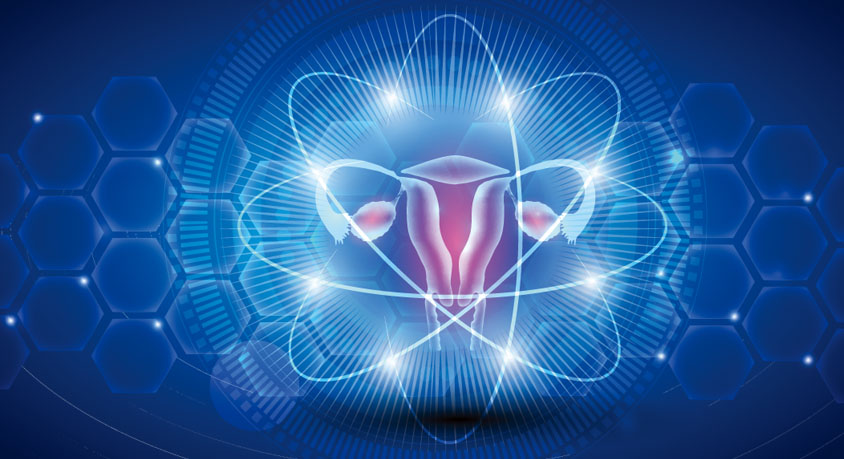
Few areas of medicine have experienced as dramatic a reversal as hormone replacement therapy (HRT). For decades, HRT was standard for menopausal symptom relief. Then, in 2002, the Women's Health Initiative (WHI) study reported increased risks of breast cancer, heart disease, and stroke, causing millions of women to abandon HRT. Subsequent re-analyses revealed that the WHI had significant limitations: the participants were older (average age 63), many were years past menopause, and the specific formulation (oral conjugated equine estrogen plus medroxyprogesterone acetate) may not generalize to all HRT types. Modern hormone replacement therapy guidelines reflect a more nuanced understanding.
The Current Consensus: Timing Is Everything
The "timing hypothesis" proposes that HRT's benefits and risks depend critically on when it is started. Initiated within 10 years of menopause onset (or before age 60), HRT appears to reduce all-cause mortality, lower cardiovascular risk, protect bone density, and improve cognitive outcomes. Initiated later, after vascular damage has accumulated, it may increase risk. A 2019 position statement from the North American Menopause Society concluded that for healthy women within 10 years of menopause onset, the benefits of HRT for symptom management and fracture prevention outweigh the risks. For women with no uterus, estrogen alone (without progestin) carries even lower risk.
Individualized Decision-Making
No universal recommendation exists. Factors that influence the risk-benefit calculation include:
- Age and time since menopause
- Personal and family history of breast cancer
- Cardiovascular risk factors
- Presence and severity of menopausal symptoms
- Personal preferences and values
The decision to use HRT should be made in partnership with a knowledgeable healthcare provider, not based on fear or outdated information. A smart scale that tracks body composition can help monitor metabolic changes during the transition, providing data to inform discussions.
Beyond HRT: Lifestyle as Hormonal Support
Even for women who choose not to use or cannot use HRT, lifestyle interventions powerfully influence hormonal health and longevity.
Nutrition for Hormonal Balance
- Phytoestrogens: Foods like soy (tofu, edamame, tempeh) contain plant compounds that weakly bind estrogen receptors and may provide mild benefits.
- Fiber: Supports estrogen excretion via the gut, preventing reabsorption.
- Healthy fats: Avocado, olive oil, nuts, and seeds support cell membrane function and hormone production.
Stress and Cortisol
Chronic stress elevates cortisol, which can exacerbate insulin resistance and disrupt remaining ovarian function. Stress management is not optional during perimenopause.
Sleep
Estrogen decline often causes insomnia and night sweats. Protect sleep with cool bedroom temperature, blackout curtains, and consistent bedtimes.
A Roadmap for Women's Longevity
The transition through perimenopause and menopause is not a disease to be treated but a biological phase to be navigated with knowledge and support. The women who age most successfully are those who understand what is happening in their bodies and take proactive, informed action. This means building muscle to protect metabolism, supporting brain health through lifestyle and potentially HRT, and making decisions based on current science rather than outdated fears. The goal is not to fight biology but to work with it, using every tool available—from resistance bands to evidence-based medicine—to ensure that the second half of life is lived with vigor, clarity, and resilience.
FAQs
Q: Is it true that HRT causes breast cancer? Should I be afraid of it?
A: The relationship between hormone replacement therapy guidelines and breast cancer risk is complex. The original WHI study found an increased risk with combined estrogen-progestin therapy after several years of use, but the absolute risk was small (approximately 8 additional cases per 10,000 women per year). Estrogen-only therapy (for women without a uterus) showed no increased breast cancer risk and possibly a reduced risk. More recent data suggest that the risk varies by formulation, route of administration, and individual factors. For women who start HRT near menopause onset, the benefits for symptom relief, bone protection, and possibly cardiovascular and cognitive health often outweigh the modest breast cancer risk. The decision is highly individual. Have an honest conversation with your healthcare provider about your personal risk profile.
Q: I'm in my late 40s and experiencing brain fog and fatigue. Is this normal, or should I be concerned?
A: These symptoms are extremely common during perimenopause and are not a sign of early dementia. The estrogen brain protection that served you for decades is diminishing, and your brain is adapting to a new hormonal environment. However, "normal" does not mean you must suffer. Lifestyle interventions (strength training, protein pacing, stress management) can help. Some women find significant relief from low-dose HRT. If symptoms are interfering with your quality of life, discuss them with a healthcare provider who specializes in menopause. Do not accept dismissive answers like "it's just aging." You deserve support.
Q: Can I build muscle during perimenopause even though estrogen is declining?
A: Yes, absolutely. While estrogen decline makes muscle protein synthesis less efficient, resistance training remains highly effective. In fact, it becomes more important. Studies show that women in perimenopause who engage in progressive resistance training 2-3 times per week can maintain or even increase muscle mass, improve insulin sensitivity, and reduce visceral fat. A resistance band set is an excellent home tool. The key is consistency, adequate protein intake (25-30 grams per meal), and progressive overload (gradually increasing resistance). You cannot stop the hormonal changes, but you can absolutely adapt your lifestyle to overcome them.