The word "detox" has had a complicated history in wellness circles. For years, it was associated with juice cleanses, foot baths, and dubious supplements—practices that rightfully earned skepticism from the scientific community. But a quieter, more rigorous conversation is now emerging. It does not promise to "flush toxins" in a weekend. Instead, it acknowledges a sobering reality: we are all exposed daily to a cocktail of synthetic chemicals—plasticizers, flame retardants, forever chemicals—that our ancestors never encountered. The question is not whether these environmental toxins affect health; they do. The question is what we can realistically do about it. This is not about fear. It is about informed reduction: identifying the highest-impact sources of exposure and making practical, evidence-based changes that lower your body's burden. The goal is not perfection but progress—and the science of how to achieve it has never been clearer.
E.g. :Meal Timing Matters: How Consistent Eating Grows Your Metabolic Capital and Beats Energy Slumps
- 1、Endocrine Disruptors: Reducing Exposure to Plasticizers and Synthetic Fragrances
- 2、Air Quality Cognitive Function: The Case for Cleaner Indoor Air
- 3、Water Filtration PFAS: Removing Forever Chemicals from Your Tap
- 4、Beyond Plastics and Air: Other High-Impact Changes
- 5、Supporting Your Body's Natural Detoxification Systems
- 6、A Realistic Path Forward
- 7、FAQs
Endocrine Disruptors: Reducing Exposure to Plasticizers and Synthetic Fragrances
Endocrine disruptors are chemicals that interfere with hormone signaling. Even at low doses, they can alter metabolism, reproduction, and brain development. Two common sources are plasticizers (like phthalates and BPA) and synthetic fragrances.
The Hidden Sources of Endocrine Disruptors
Phthalates are used to soften plastics and as solvents in fragranced products (laundry detergent, air fresheners, lotions, perfumes). BPA and its replacements (BPS, BPF) line food cans and are found in thermal receipt paper, plastic containers, and water bottles. A 2021 study in The Journal of Clinical Endocrinology & Metabolism found that higher urinary phthalate levels were associated with increased insulin resistance and abdominal obesity in adults. Another study linked BPA exposure to reduced thyroid function and impaired fertility.
Practical Reduction Strategies
Avoid Heating Plastic
Heat accelerates leaching. Never microwave food in plastic containers. Do not put plastic in the dishwasher. Transfer leftovers into glass before reheating. A glass water bottle for daily hydration eliminates a major source of BPA exposure.
Choose Fragrance-Free
The word "fragrance" on an ingredient list can hide dozens of undisclosed chemicals, including phthalates. Opt for fragrance-free laundry detergents, soaps, and lotions. Use essential oils in a diffuser if you want scent, rather than synthetic air fresheners.
Minimize Receipt Handling
Thermal paper receipts are coated with BPA or BPS. Decline receipts when possible. If you must handle them, wash your hands before eating.
Air Quality Cognitive Function: The Case for Cleaner Indoor Air
We spend 90% of our time indoors, where air pollution can be two to five times higher than outdoors. The link between air quality cognitive function is increasingly well-established.
How Indoor Air Pollution Affects the Brain
Particulate matter (PM2.5) and volatile organic compounds (VOCs) from paints, furniture, cleaning products, and cooking trigger systemic inflammation, including neuroinflammation. A 2022 study in Environmental Health Perspectives found that office workers in rooms with higher PM2.5 levels showed slower response times and reduced performance on cognitive tests, particularly in areas of crisis response and strategic thinking. Another study showed that installing a HEPA air purifier in classrooms improved student test scores and attention.
Practical Air Quality Improvements
Ventilation
Open windows for 5-10 minutes daily, even in winter, to exchange stale indoor air.
HEPA Air Purifier
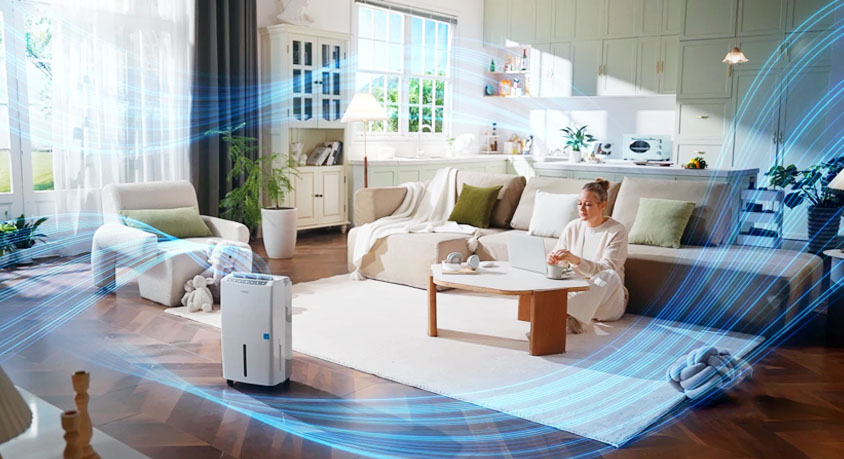
A HEPA air purifier in the bedroom or home office can reduce PM2.5, dust, and pollen. Look for one appropriately sized for the room. Run it on low continuously, especially during sleep.
Reduce VOC Sources
Choose low-VOC paints and furniture. Avoid synthetic air fresheners. Store paints and solvents in a garage, not inside living spaces.
Water Filtration PFAS: Removing Forever Chemicals from Your Tap
Per- and polyfluoroalkyl substances (PFAS) are a class of thousands of synthetic chemicals used to make products grease-proof, water-resistant, and non-stick. They are called "forever chemicals" because they do not break down in the environment or the human body.
The Health Impact of PFAS
PFAS have been linked to elevated cholesterol, reduced immune response to vaccines, thyroid disease, and certain cancers. A 2020 study in Environmental Epidemiology estimated that over 200 million Americans may have PFAS in their drinking water at levels exceeding recommended safety thresholds. The most common route of exposure is contaminated tap water.
Choosing an Effective Water Filter
Not all filters remove PFAS. Activated carbon filters (standard Brita-type pitchers) have limited effectiveness, especially for short-chain PFAS. Reverse osmosis systems and certain specialty filters (solid activated carbon blocks with NSF/ANSI 53 certification for PFAS) are more effective.
- For renters or budget-conscious: A faucet-mounted or countertop filter with NSF 53 certification.
- For homeowners: Under-sink reverse osmosis or whole-house systems.
- Always check independent certifications (NSF International) rather than manufacturer claims.
A glass water bottle filled with filtered water ensures you are not drinking from plastic while on the go.
Beyond Plastics and Air: Other High-Impact Changes
Cookware and Food Storage
Non-stick pans (Teflon) can release perfluorinated compounds when overheated or scratched. Replace with cast iron cookware (seasoned properly, it is naturally non-stick) or stainless steel. Store leftovers in glass food containers rather than plastic.
Dust and Hand-to-Mouth Exposure
Household dust accumulates flame retardants, phthalates, and PFAS. Vacuum with a HEPA filter regularly. Wash hands before meals, as hand-to-mouth transfer is a major pathway for children and adults.
Supporting Your Body's Natural Detoxification Systems
Reducing exposure is only half the equation. The liver, kidneys, gut, and sweat glands continuously process and eliminate environmental chemicals. Supporting these systems amplifies the benefit of exposure reduction.
Liver Phase I and II Pathways
- Cruciferous vegetables (broccoli, kale, Brussels sprouts) contain sulforaphane, which enhances liver detox enzymes.
- Adequate protein provides amino acids for conjugation pathways.
- Limit alcohol, which competes for detoxification resources.
Gut Health
Fiber binds to certain toxins in the gut, preventing reabsorption. Aim for 25-35 grams daily. Fermented foods support a healthy microbiome, which aids in metabolizing and eliminating environmental chemicals.
Sweat
Regular sauna use or exercise that induces sweating may help excrete certain heavy metals and phthalates. A 2012 study found that sweat analysis detected BPA and phthalates not present in blood or urine, suggesting excretion via sweat.
A Realistic Path Forward
You cannot live in a bubble. But you do not need to. The most effective approach to environmental toxins is not obsession but strategic reduction. Replace the highest-risk items first: stop heating plastic, filter your drinking water, improve bedroom air quality. These changes are affordable, evidence-based, and cumulative. Over months and years, your body's burden will measurably decrease, and with it, your risk of inflammation-driven chronic disease. This is not about fear. It is about taking back a measure of control in a world that often feels uncontrollable.
FAQs
Q: Are BPA-free plastics safe? Should I still avoid them?
A: "BPA-free" often means the plastic contains BPS or BPF, which are chemically similar and may have similar endocrine-disrupting effects. A 2019 study in Current Biology found that BPS and BPF had estrogenic activity comparable to BPA. The safest approach is to avoid plastics for food contact whenever possible, regardless of labeling. Use glass water bottles and glass food containers for storage and reheating.
Q: How can I test my home's air quality and water for toxins without spending a fortune?
A: For air, affordable consumer monitors (e.g., from brands like PurpleAir or Temtop) measure PM2.5 and some VOCs for $100-200. For water, you can order a mail-in test kit from a certified laboratory for $150-300 that screens for PFAS, heavy metals, and other contaminants. Some local health departments offer free or low-cost testing for certain pollutants. Start with the low-cost interventions (ventilation, HEPA purifier, carbon filter) even without testing—they benefit everyone. If you live near a known industrial source or military base, prioritize PFAS testing.
Q: Is it worth using a sauna or exercising intensely to sweat out toxins?
A: Moderate sauna use (3-4 times weekly, 15-20 minutes) and regular exercise that induces sweating are generally beneficial for cardiovascular health and stress reduction. Evidence that sweating significantly lowers body burden of environmental toxins is suggestive but not definitive. Some studies show measurable excretion of heavy metals and phthalates in sweat, but the proportion relative to urinary and fecal excretion is unclear. Sauna and exercise are valuable health practices on their own; any additional detox benefit is a bonus. Do not rely on them as a primary strategy—exposure reduction is far more effective.