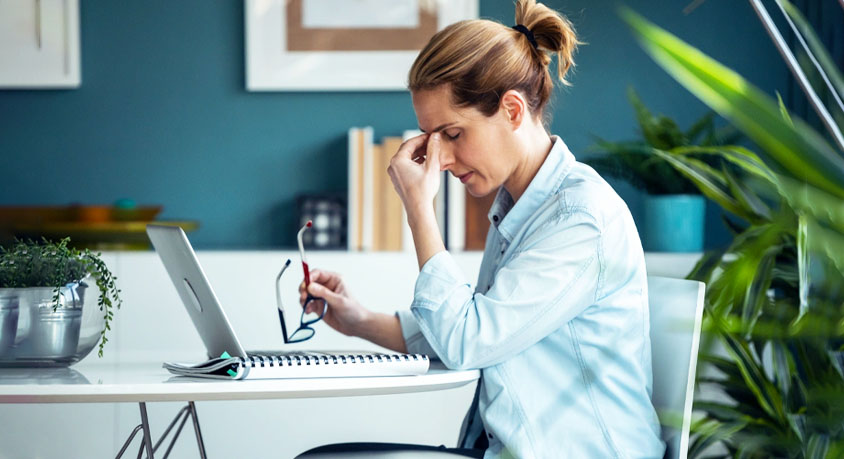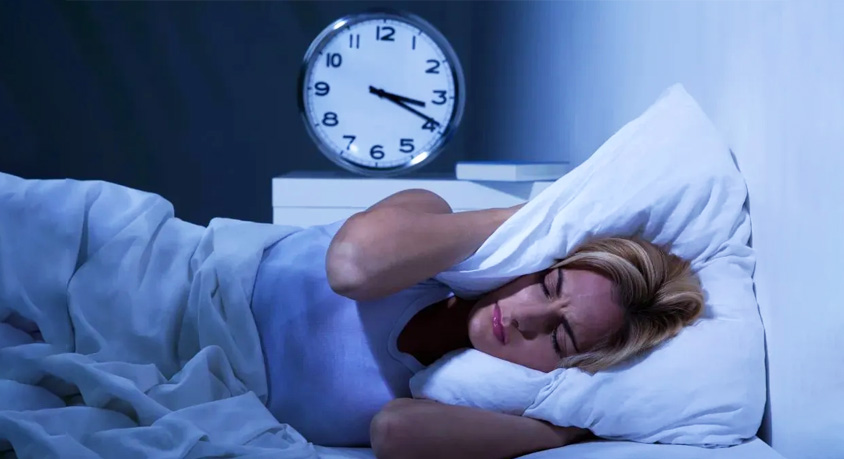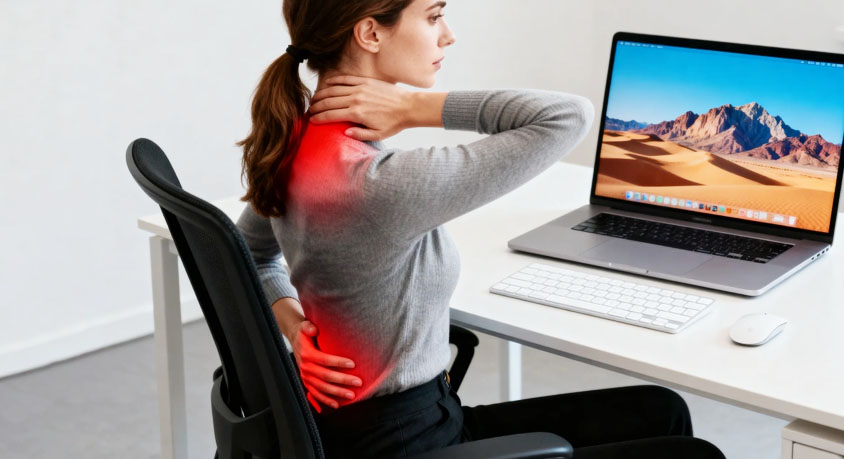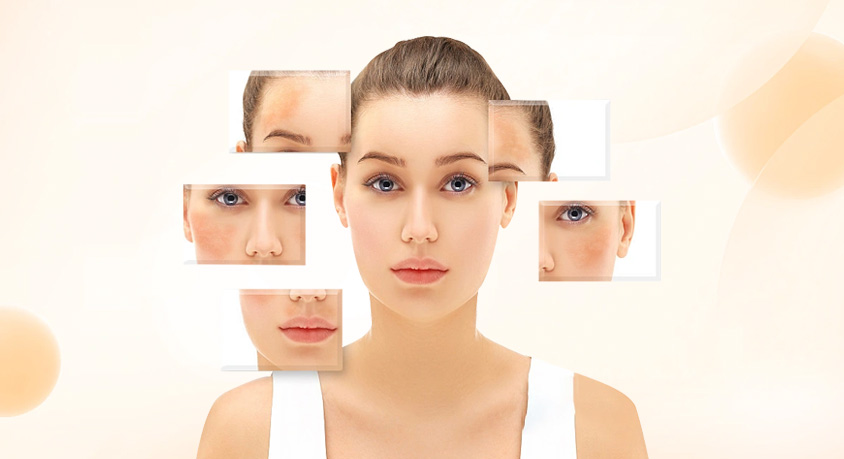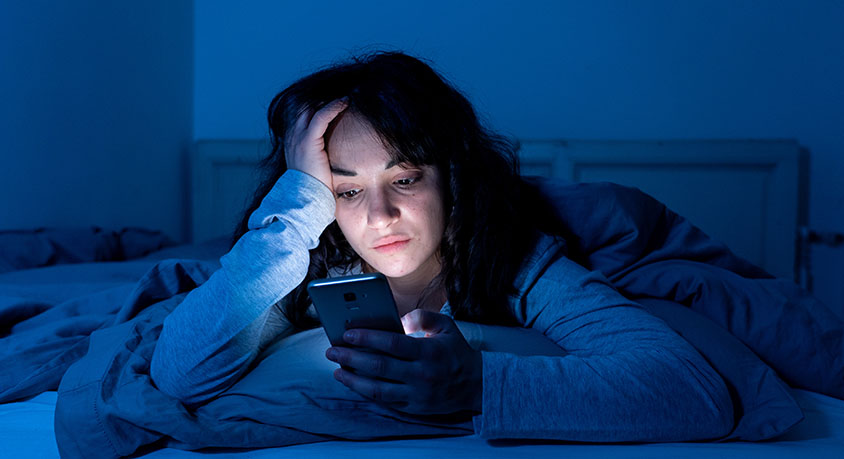
There is a peculiar exhaustion that comes not from physical labor but from a day spent switching between screens. You close the laptop, put down the phone, and feel not rested but hollow—drained in a way that sleep alone does not fix. This is the signature of a nervous system under siege. We have invited an unprecedented volume of information and artificial light into our waking hours, and our ancient biology is struggling to keep pace. The effects are not merely psychological; they are neurochemical and circadian. Evening blue light suppresses melatonin, delaying sleep and fragmenting its architecture. The constant drip of notifications and infinite scroll depletes dopamine receptors, making ordinary pleasures feel flat. And the steady, unchanging glare of indoor lighting provides none of the timing cues that our internal clocks require. Understanding these mechanisms is the first step toward reclaiming neurological resilience. This is not a call to abandon technology but to practice what might be called light hygiene and digital nutrition.
- 1、Blue Light Circadian Rhythm Disruption: The Hidden Cost of Evening Screens
- 2、Dopamine Homeostasis: Resetting Your Brain's Reward System
- 3、Circadian Lighting Systems: Smart Technology for Neural Health
- 4、Rebuilding Neurological Resilience: A Daily Protocol
- 5、The Cumulative Benefit of Light Hygiene and Digital Boundaries
- 6、FAQs
Blue Light Circadian Rhythm Disruption: The Hidden Cost of Evening Screens
The human circadian clock evolved under a simple pattern: bright, blue-rich light during the day to signal wakefulness, and warm, dim light at night to permit melatonin release. Modern lighting and screens invert this pattern, exposing us to blue-dominant light well into the evening. The consequence is blue light circadian rhythm disruption.
How Blue Light Suppresses Melatonin
Melatonin is not merely a sleep aid; it is the hormonal signal of darkness. When blue wavelength light (peaking around 480 nanometers) hits the retina, it signals the suprachiasmatic nucleus to suppress melatonin production. A 2015 study in Physiological Reports found that reading on a backlit tablet for even two hours in the evening reduced melatonin levels by approximately 20-30% compared to reading a printed book. The result is delayed sleep onset, reduced time in restorative slow-wave and REM stages, and a downstream effect on insulin sensitivity, immune function, and mood regulation.
Light Hygiene as a Daily Practice
Light hygiene refers to intentional management of light exposure to support circadian health. Core principles:
- Morning: Seek bright, natural light within 30 minutes of waking to anchor your clock.
- Evening: Dim lights and shift to warm spectrum (2700K or lower) two hours before bed.
- Screens: Use night mode and wear blue light blocking glasses for any screen use after sunset. These glasses filter the most melatonin-suppressive wavelengths without distorting vision.
Dopamine Homeostasis: Resetting Your Brain's Reward System
Dopamine is often misunderstood as a pleasure chemical. In fact, it is a motivation and anticipation molecule—it drives us to seek rewards. The problem is that modern digital environments are engineered to provide unpredictable, intermittent rewards (a like, a notification, a new message) that spike dopamine more potently than predictable rewards. Over time, this desensitizes dopamine receptors, a state known as low dopamine homeostasis.
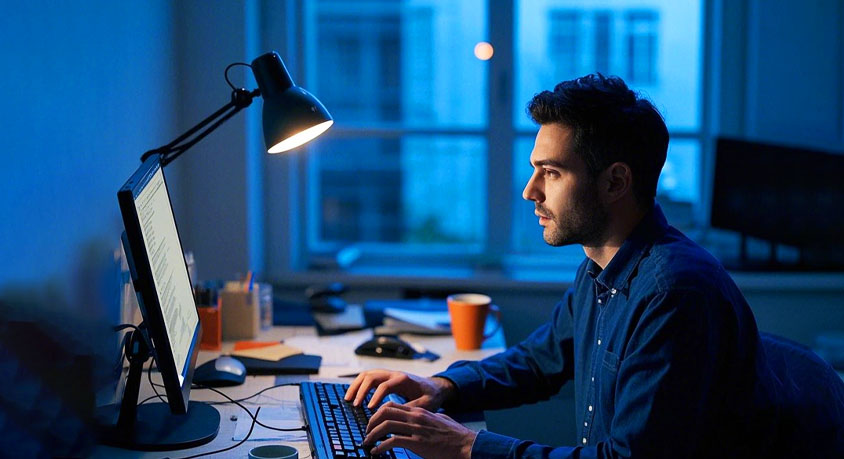
The Dopamine Desensitization Cycle
When dopamine receptors become downregulated, ordinary activities—a walk, a conversation, a home-cooked meal—no longer feel sufficiently rewarding. The brain craves higher-intensity stimulation, driving more screen time, which further desensitizes receptors. A 2019 commentary in Nature Reviews Neuroscience described this as a form of reward system dysregulation that underpins digital addiction and anhedonia (the inability to feel pleasure from previously enjoyable activities).
Practical Digital Detox Strategies
Restoring dopamine homeostasis does not require abandoning technology, but it does require intentional boundaries.
Intermittent Fasting for Dopamine
Just as intermittent fasting resets metabolic sensitivity, periodic breaks from high-dopamine stimuli can resensitize receptors. Consider a 24-hour "low dopamine day" each week: no social media, no streaming, no news. Replace with reading, walking, cooking, or conversation.
Scheduled Scrolling
Rather than checking apps reactively, schedule two or three 15-minute blocks for social media and email. Outside those blocks, keep your phone face-down or in another room. A 2018 study in the Journal of Social and Clinical Psychology found that limiting social media to 30 minutes per day significantly reduced depression and loneliness.
Replace, Don't Just Remove
The brain needs alternative sources of reward. When you reduce screen time, intentionally add low-stimulation, high-satisfaction activities: a hobby, a puzzle, time in nature, or a sunrise alarm clock that gently wakes you with light rather than sound, providing a calm start to the day.
Circadian Lighting Systems: Smart Technology for Neural Health
If screens are part of the problem, lighting can be part of the solution. Circadian lighting systems are smart lighting setups that automatically shift color temperature and intensity throughout the day, mimicking the natural progression of sunlight.
How Tunable Lighting Supports Circadian Health
Traditional lighting is static—the same harsh, blue-rich light at 10 a.m. and 10 p.m. Circadian lighting changes dynamically: cool, bright (5000K) in the morning to promote alertness; warmer and dimmer (2700K) in the evening to permit melatonin release. A 2020 study in Building and Environment found that office workers exposed to tunable circadian lighting reported better sleep quality, improved daytime alertness, and lower stress scores compared to those under standard fluorescent lighting.
Affordable Home Implementation
Full circadian lighting systems can be expensive, but the core principles are accessible:
- Smart LED bulbs that can be programmed to change color temperature via a smartphone app. Brands like Philips Hue or cheaper alternatives allow custom schedules.
- Sunrise alarm clock that gradually brightens over 30 minutes before your wake time, reducing sleep inertia and supporting the cortisol awakening response.
- In the evening, use blue light blocking glasses as a portable solution when you cannot control ambient lighting.
Rebuilding Neurological Resilience: A Daily Protocol
Protecting your nervous system from digital overload requires consistent micro-habits. Here is a practical framework.
Morning (0-60 minutes after waking)
- No phone for the first 15 minutes. Let your cortisol awakening response happen naturally.
- Expose yourself to natural light or a bright sunrise alarm clock.
- Set your daily intentions rather than reacting to notifications.
Daytime (work hours)
- Use a timer to enforce 5-minute screen breaks every hour. Stand, stretch, look out a window.
- Keep your phone in another room or a drawer during focused work.
- If possible, use warm, dim task lighting in the afternoon rather than overhead cool light.
Evening (2 hours before bed)
- Dim all lights and switch to warm-spectrum smart LED bulbs.
- Wear blue light blocking glasses if you must use screens.
- Engage in a low-stimulation wind-down: reading a paper book, listening to music, light stretching.
Weekly
- One low-dopamine day (or half-day) with no social media or streaming.
- A walk in nature without headphones—natural light, green space, and silence are powerful neural restoratives.
The Cumulative Benefit of Light Hygiene and Digital Boundaries
The goal is not to live without screens but to use them intentionally, preserving the neurological capacity for deep focus, restful sleep, and ordinary joy. The benefits of consistent light hygiene and dopamine management compound over time: better sleep onset, more stable energy, reduced anxiety, and a renewed ability to find pleasure in a quiet evening or a conversation with a friend. This is not a luxury for the digitally privileged; it is a necessity for anyone whose nervous system is navigating the modern world.
FAQs
Q: Are all blue light blocking glasses equally effective? How do I choose a pair?
A: No. Effective blue light blocking glasses should filter wavelengths up to approximately 450-480 nanometers, with an amber or orange tint. Clear "blue blocking" lenses often filter only a negligible percentage of blue light (5-10%) and are unlikely to meaningfully affect melatonin. For evening use, choose glasses with a visible amber tint, which typically block 50-90% of blue light in the problematic range. Avoid extremely dark red-tinted glasses unless for clinical treatment of specific sleep disorders. Many affordable options are available online; look for verified spectral analysis data.
Q: I work night shifts. How can I apply these principles when my schedule is inverted?
A: Night shift work presents a significant challenge because you are asking your body to be active during its biological night and sleep during the day. The principles remain the same but require intentional structuring. During your "day" (your waking night hours), use bright, blue-rich light to signal wakefulness. On your commute home in the morning, wear blue light blocking glasses to prevent the morning sun from resetting your clock. During your daytime sleep, ensure complete darkness with blackout curtains or a sleep mask. Consistency across days off is critical; shifting your schedule on weekends worsens circadian disruption. Consult a sleep specialist if you work chronic night shifts, as the health risks are substantial.
Q: Can a circadian lighting system really improve my sleep if I already use blue light blocking glasses?
A: Yes, for two reasons. First, circadian lighting systems provide beneficial morning blue light that blue blockers would remove. You want bright blue light in the morning to anchor your clock. Second, ambient lighting affects the whole visual field, not just the direct path from a screen to your eyes. Even with blue blockers on a screen, room lighting with high blue content can still suppress melatonin, particularly if it is bright and directly visible. A full lighting strategy—warm, dim ambient light in the evening plus blue blocking glasses for screens—is more effective than either intervention alone. Smart bulbs are an affordable entry point.