We tend to think of stress as a feeling—the knot in your stomach before a presentation, the racing heart during an argument, the exhaustion after a long week. But stress is not merely an emotion. It is a full-body physiological event, orchestrated by ancient neural circuits and hormonal cascades that evolved to help us survive immediate physical threats. The mismatch is not that we have this system; it is that we have kept it running continuously in a world of emails, deadlines, and notifications. The good news is that the same biology that creates the stress response also provides the tools to reverse it. Understanding the physiology of stress management allows us to move beyond vague advice to precise, actionable interventions—techniques that directly engage the parasympathetic nervous system, reset the daily rhythm of cortisol, and physically reshape the brain for resilience. This is not about eliminating stress. It is about restoring the natural rhythm of activation and recovery that is our biological birthright.
E.g. :How to Reduce Endocrine Disruptors, Improve Air Quality for Brain Health
- 1、Vagus Nerve Tone: Your Body's Built-In Brake Pedal for Stress
- 2、Cortisol Awakening Response: The Morning Hormone Rhythm You Need to Protect
- 3、Mindfulness Neuroplasticity: How Meditation Physically Reshapes Your Brain
- 4、Integrating the Three Pillars into a Daily Stress Physiology Protocol
- 5、A Realistic Perspective on Progress
- 6、FAQs
Vagus Nerve Tone: Your Body's Built-In Brake Pedal for Stress
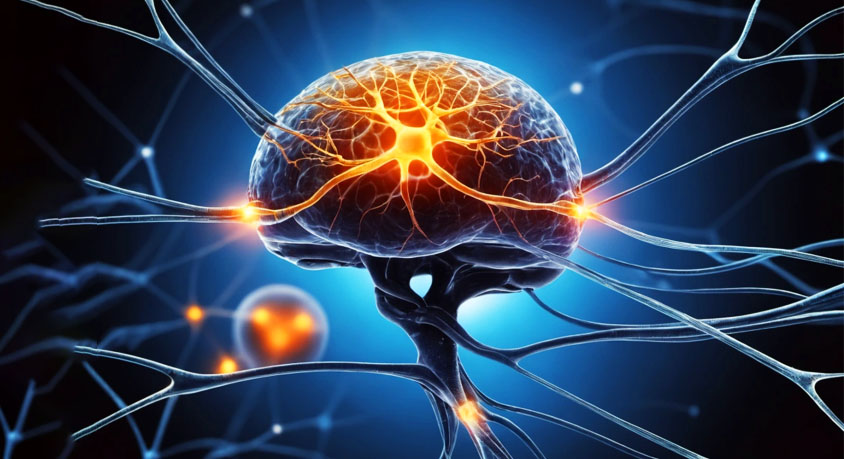
The vagus nerve is the longest and most complex nerve in the autonomic nervous system. Originating in the brainstem and wandering down through the neck, chest, and abdomen, it serves as the primary communication highway for the parasympathetic nervous system—the "rest and digest" branch. Vagus nerve tone refers to the baseline activity level of this nerve. Higher tone means a more responsive brake pedal: faster heart rate recovery after stress, lower baseline inflammation, and greater emotional stability.
How Vagus Nerve Tone Determines Stress Recovery
Research published in Frontiers in Psychiatry (2018) demonstrated that individuals with higher vagal tone recover more quickly from stressful experiences and show lower levels of pro-inflammatory cytokines. Conversely, low vagal tone is associated with anxiety, depression, and post-traumatic stress disorder. The vagus nerve communicates directly with the spleen and other immune organs via the cholinergic anti-inflammatory pathway, actively dampening the body's inflammatory response to stress. Improving vagus nerve tone is therefore not a relaxation luxury; it is a measurable physiological intervention.
Practical Techniques to Increase Vagus Nerve Tone
Cold Water Facial Immersion
The mammalian dive reflex, triggered by cold water on the face, provides an immediate and powerful vagal stimulus. A 2019 study found that immersing the face in cool water (50-60°F or 10-15°C) for 15-30 seconds significantly increased heart rate variability, a direct marker of vagal tone. For daily practice, a cold face mask offers a convenient, controlled way to apply this stimulus without a full shower.
Box Breathing and Diaphragmatic Breathing
Slow, rhythmic breathing with a prolonged exhale mechanically stimulates the vagus nerve. Box breathing—inhale for 4 seconds, hold for 4 seconds, exhale for 4 seconds, hold for 4 seconds—is a structured method backed by clinical research. Repeating this cycle for 5 minutes has been shown to increase heart rate variability and reduce subjective anxiety. A guided breathing timer can help maintain the rhythm without mental counting.
Other Vagus Stimulants
- Gargling or humming: The vagus nerve innervates the vocal cords and pharynx. Vigorous gargling or low-pitched humming for several minutes provides gentle, accessible stimulation.
- Social connection: Warm eye contact and prosocial interactions are associated with higher vagal tone over time.
Cortisol Awakening Response: The Morning Hormone Rhythm You Need to Protect
The cortisol awakening response (CAR) is a natural surge of cortisol that occurs within the first 30-45 minutes after waking. Unlike the harmful, chronic cortisol of prolonged stress, this is a healthy, adaptive spike that mobilizes glucose, sharpens alertness, and prepares the body for the demands of the day. The problem arises when the CAR is blunted (leading to fatigue and low energy) or when the subsequent decline is disrupted by ongoing stress.
How Morning Light Shapes Your Cortisol Rhythm
Light is the most powerful synchronizer of the circadian system. When bright light hits the retina in the morning, it signals the suprachiasmatic nucleus to suppress melatonin and, indirectly, to orchestrate the timing of the cortisol awakening response. A 2014 study in Psychoneuroendocrinology found that morning light exposure—specifically 30 minutes of bright light within the first hour of waking—was associated with a more robust CAR and a healthier cortisol decline throughout the day. Individuals with limited morning light showed flatter, more dysregulated rhythms, which are linked to higher all-cause mortality and metabolic dysfunction.
Practical Morning Light Protocol
- Immediate exposure: Within 15-30 minutes of waking, go outside or sit by a bright window. Cloudy daylight is still dramatically brighter than most indoor lighting.
- Duration: Aim for 20-30 minutes of morning light. Combining this with a walk or morning beverage makes it sustainable.
- Avoid blue blocking in the AM: Unlike evening, morning blue light is beneficial. Save blue-blocking glasses for late afternoon and evening.
Mindfulness Neuroplasticity: How Meditation Physically Reshapes Your Brain
The most profound stress management practice is not a quick hack but a skill built over time. Mindfulness meditation—the practice of non-judgmental present-moment awareness—has been subjected to rigorous neuroscientific investigation. The findings are remarkable: regular meditation produces measurable, structural changes in brain regions responsible for attention, emotion regulation, and self-awareness. This is mindfulness neuroplasticity in action.
Evidence for Cortical Thickening and Gray Matter Density Increase
A landmark 2011 study from Harvard University used MRI to examine participants before and after an 8-week Mindfulness-Based Stress Reduction (MBSR) program. Compared to controls, the meditation group showed increased gray matter density in the hippocampus (critical for memory and learning), the posterior cingulate cortex (involved in self-referential thought), and the prefrontal cortex (responsible for executive function and emotion regulation). Equally important, the study found decreased gray matter density in the amygdala, the brain's fear and alarm center. These changes correlated with self-reported reductions in perceived stress. A 2021 meta-analysis in Biological Psychiatry confirmed that mindfulness practice reliably alters brain structure in ways that support emotional regulation and stress resilience.
How to Build a Meditation Practice That Changes Your Brain
- Consistency over duration: The Harvard study used an average of 27 minutes of daily practice. However, recent research suggests that even 10-15 minutes daily, practiced consistently, produces detectable changes over 8-12 weeks.
- Active attention: Sitting quietly is not enough. Focus on the breath, and each time your mind wanders, gently return attention. This "repetition of attention" is what drives neuroplasticity.
- Dedicated space: A meditation cushion signals to your brain that it is time to shift states. Consistency of location strengthens the habit loop.
Integrating the Three Pillars into a Daily Stress Physiology Protocol
The most effective approach combines acute vagal stimulation, circadian rhythm-setting, and long-term neuroplasticity. Here is a practical daily framework grounded in stress physiology.
Morning (0-60 minutes after waking)
- Expose yourself to natural light for 20-30 minutes to optimize the cortisol awakening response.
- Splash cold water on your face or use a cold face mask for 30 seconds to stimulate vagus nerve tone.
- Optional: 5 minutes of box breathing using a guided breathing timer.
Midday (as a reset)
- When feeling overwhelmed, pause for 2 minutes of diaphragmatic breathing.
- Step outside for 5 minutes of natural light to reinforce circadian signaling.
Evening (wind-down)
- Dim lights and reduce screen exposure 60-90 minutes before bed.
- Hum or gargle for 1-2 minutes as a gentle vagal stimulus.
- Avoid intense cold exposure close to bedtime, as it can be activating.
Daily (long-term practice)
- Commit to 10-15 minutes of mindfulness meditation on a meditation cushion.
- Track your subjective stress recovery time rather than the absence of stress.
A Realistic Perspective on Progress
The physiology of stress management is not about perfection. Some mornings, the cold water will feel impossible; some meditation sessions will feel like a battle with a restless mind. This is normal. The goal is not to eliminate the stress response but to build the capacity to recover from it more quickly. Vagus nerve tone improves with consistent practice over weeks. Cortisol rhythms stabilize with regular morning light exposure. Brain structure changes over months of mindfulness practice. These are not overnight transformations, but they are among the most durable investments you can make in your long-term well-being.
FAQs
Q: Can cold water exposure be dangerous? What is the safest way to start?
A: Cold water exposure is generally safe for healthy individuals when approached gradually. Start with lukewarm water at the end of a shower, then progressively decrease the temperature over several seconds. Begin with 15-30 seconds of cool (not icy) water on the face only. Never combine cold exposure with alcohol, after a heavy meal, or if you have cardiovascular conditions, Raynaud's phenomenon, or are pregnant. The goal is a mild stress that activates the vagus nerve, not a shock that triggers a dangerous sympathetic surge. A cold face mask designed for this purpose provides controlled, localized cold exposure without whole-body risk.
Q: I've tried meditation but my mind races. Am I doing it wrong?
A: This is the single most common misconception about meditation. A racing mind is not a sign of failure; it is the very raw material of the practice. The goal is not to stop thoughts but to notice when you have become lost in them and gently return your attention to the breath. Each return is like a repetition in strength training—it builds the neural circuit for attention regulation. If you find the experience consistently frustrating, shorten the session (try 3 minutes) or use a guided meditation. The mindfulness neuroplasticity described in the research occurs precisely through this process of noticing distraction and returning attention.
Q: How quickly will I notice a difference in my stress levels from these practices?
A: The timeline differs for each intervention. Acute vagus nerve stimulation (cold water, slow breathing) produces immediate, measurable effects on heart rate and subjective calm—often within minutes. Morning light exposure typically improves energy and sleep within a few days. Structural brain changes from meditation, along with associated reductions in trait anxiety and stress reactivity, typically require 8-12 weeks of consistent practice. The key is to measure progress not by the absence of stress but by your recovery time: how quickly you return to baseline after a stressor. That metric improves long before you feel "stress-free."